FULL ARTIFICIAL INTELLIGENCE ART CRAFT
The future is a canvas yet to be painted, and the rapid evolution of artificial intelligence (AI) offers us unprecedented tools to design tomorrow. As architects, it is essential that we not only adapt to but also advance our understanding and application of AI technologies. This exploration is critical as we step into new realms of possibility that can redefine our profession.
The film “The Matrix” presents a vision of a future where robots dominate and possess the capability to think and create. This portrayal sparks our imagination about the potential and the role of AI in our own world. As professionals at the forefront of architectural design, it is our duty to harness this technology to push the boundaries of what is possible, transforming how buildings are conceived, designed, and constructed.
Be equipped with the skills to implement these technologies in your future projects, ensuring that we remain at the cutting edge of design innovation.
This project explores how artificial intelligence can shape the future of architecture. Inspired by The Matrix, it reflects on a world where machines can think, create, and influence design. By engaging with AI tools, architects can expand imagination, rethink construction, and remain at the forefront of future design innovation.
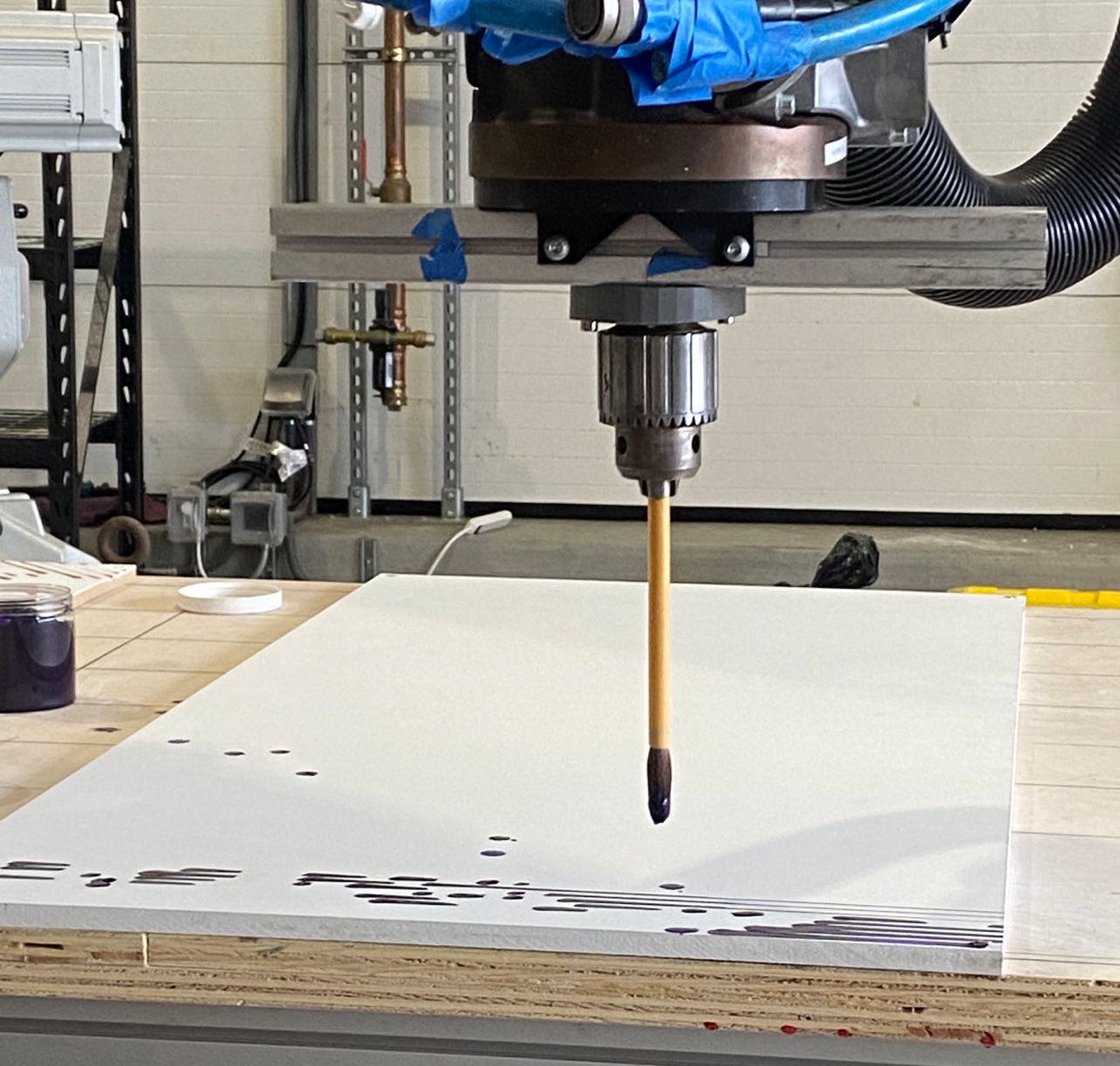
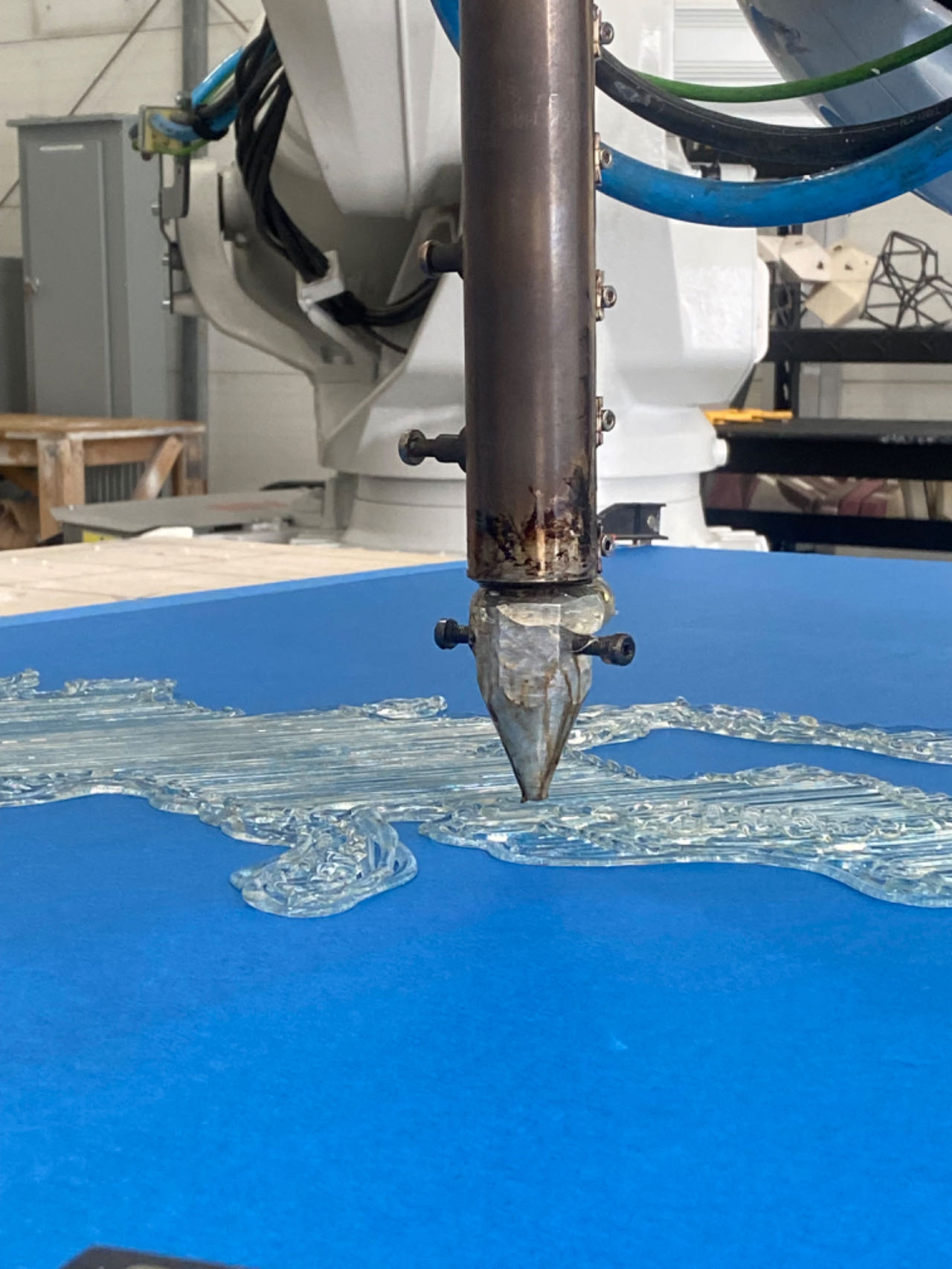
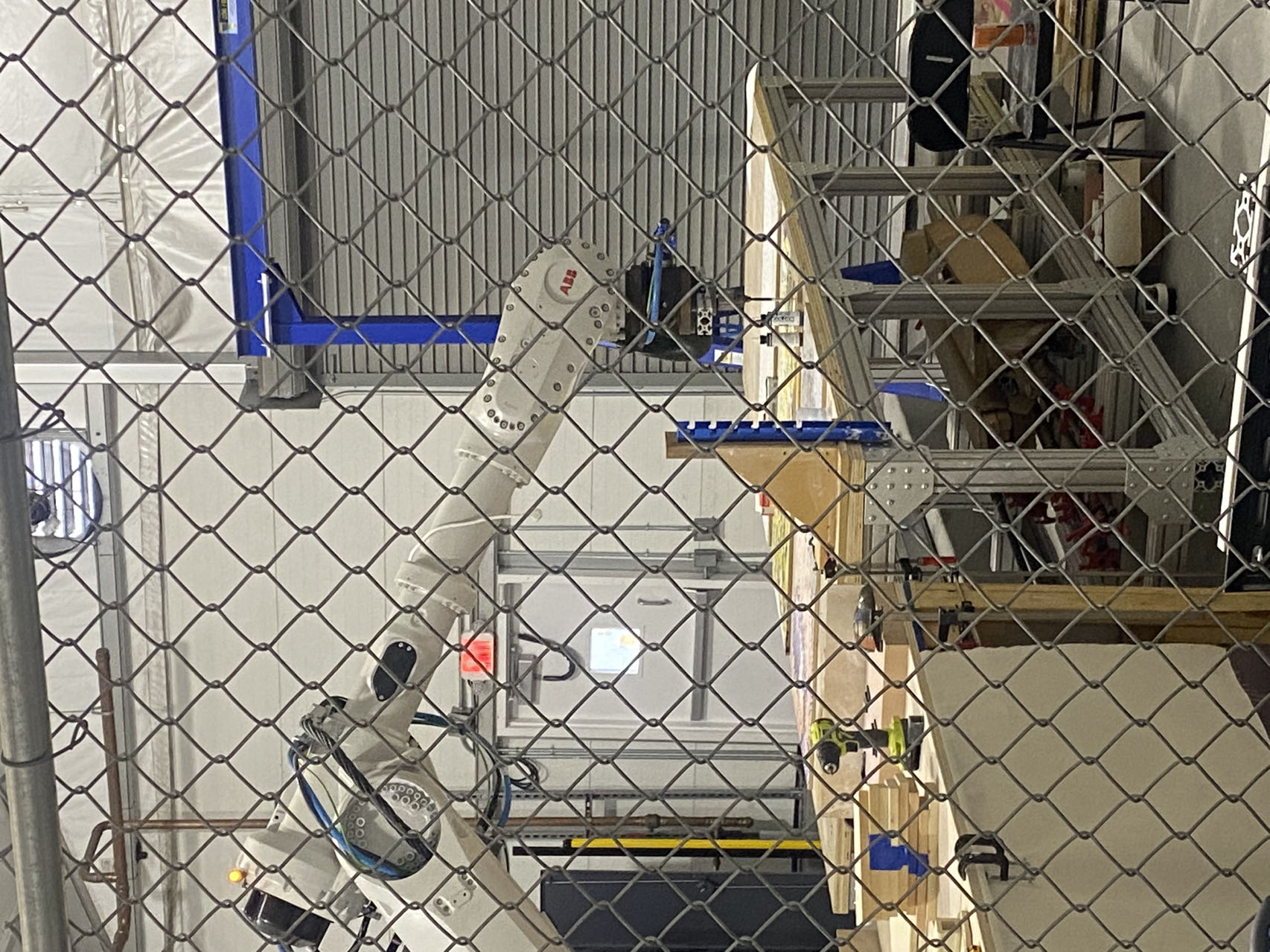
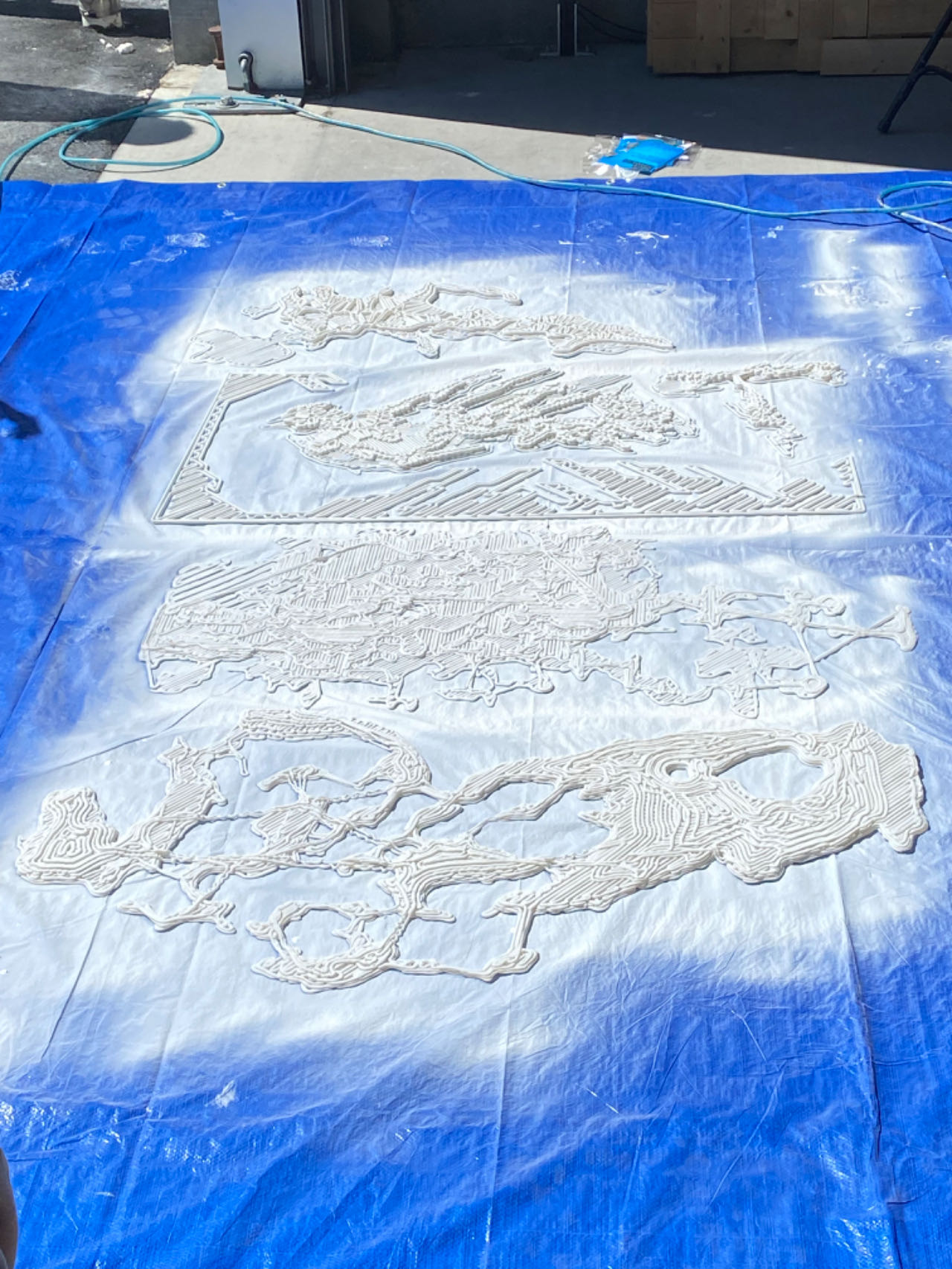
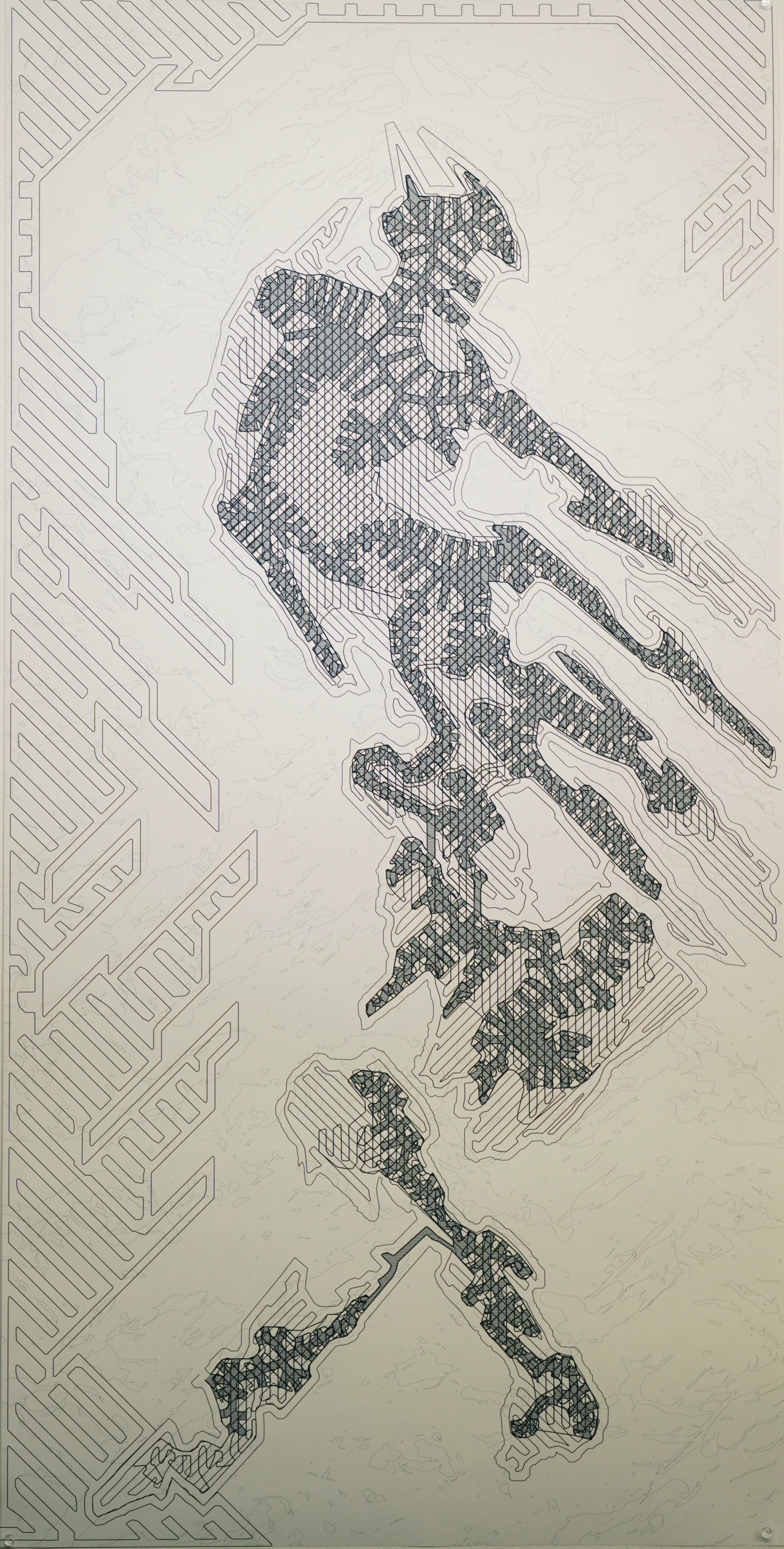
Utilizing a robotic arm for assembly provides a fascinating opportunity to explore the robot¡¯s limitations. In addition to the robot itself, managing other materials during the production process proves challenging. It is also crucial to understand how to convert visual language into a format that computers can interpret. We employ Grasshopper to conduct our analysis, and the outcomes are consistent. Nevertheless, there may be various methods by which humans can instruct the system and enable computers to comprehend 2D images.
This project uses a robotic arm to explore the limits of automated assembly. Through Grasshopper analysis, it studies how visual language can be translated into data that computers understand, allowing 2D images to guide robotic production and material organization.
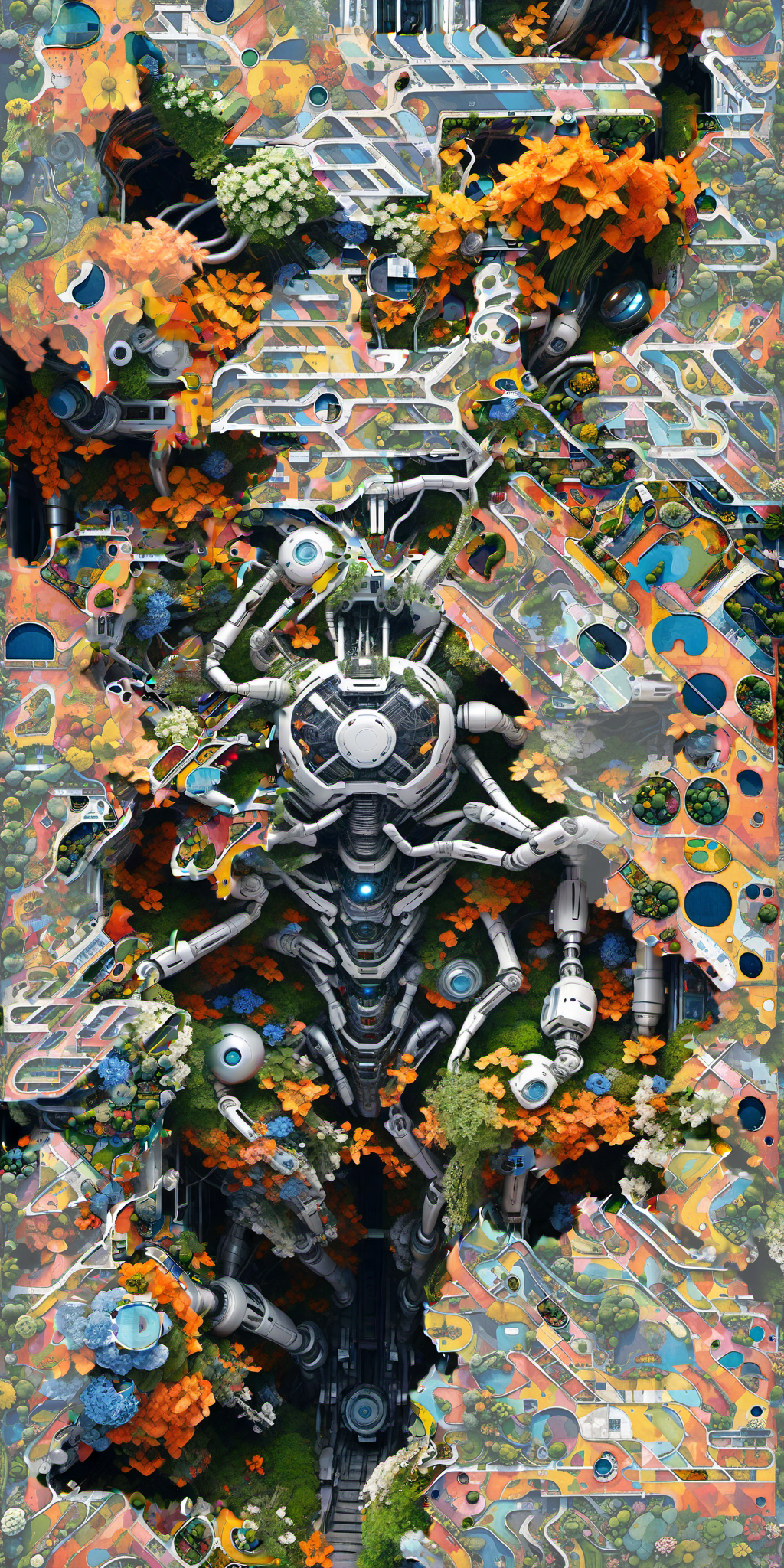
In this project, we embark on a journey starting with the stable diffusion model, which blends cutting-edge AI with our architectural practices. By toggling between tangible realities and abstract possibilities, we will leverage AI tools and robotic automation to streamline our design processes. This approach allows us to experiment with complex forms and structures, facilitating a more efficient transition from conceptual designs to tangible outcomes.
This project begins with Stable Diffusion and connects AI-generated ideas with architectural design. By moving between abstract possibilities and physical outcomes, it uses AI tools and robotic automation to test complex forms and create a smoother path from concept to production.
AI and robotic arms will assist us in refining every stage of design and production. By integrating these technologies, we aim to enhance precision, reduce manual labor, and accelerate project timelines. As pioneers, we have the unique opportunity to influence the future of architecture, making it more dynamic, responsive, and sustainable.
AI and robotic arms help refine the design and production process. By improving precision, reducing manual labor, and accelerating workflow, this project explores how emerging technologies can make architecture more dynamic, responsive, and sustainable.
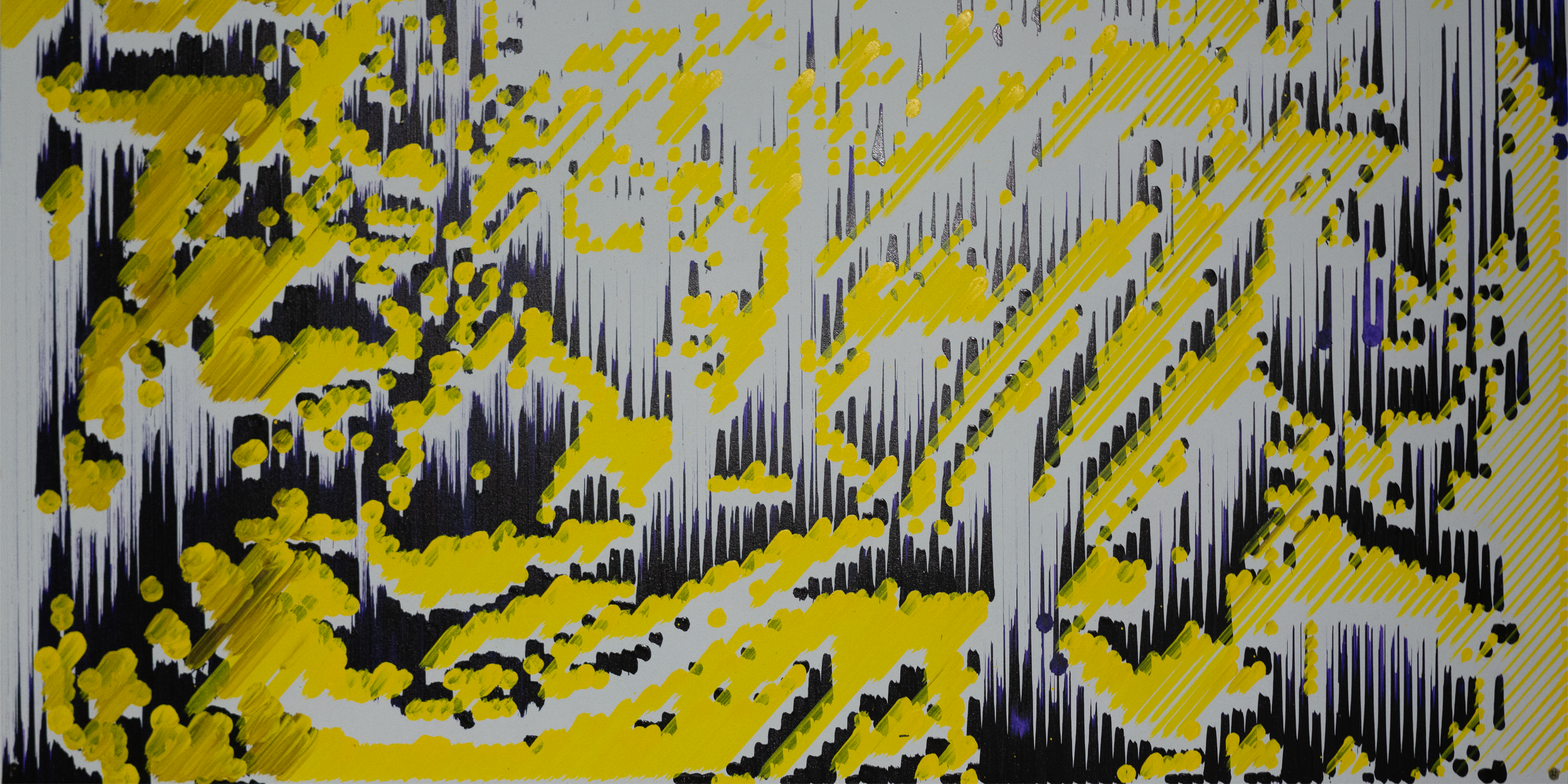
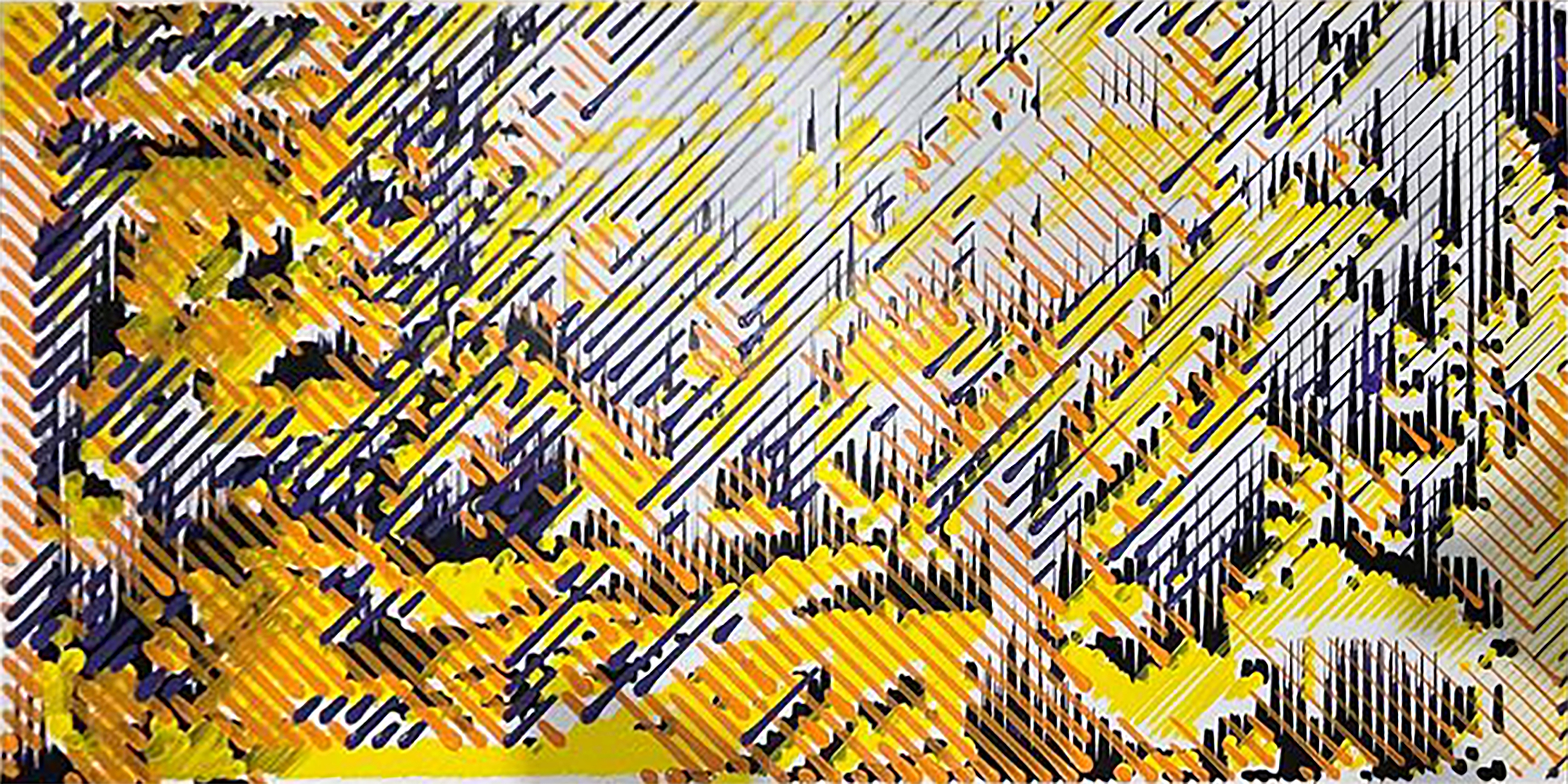
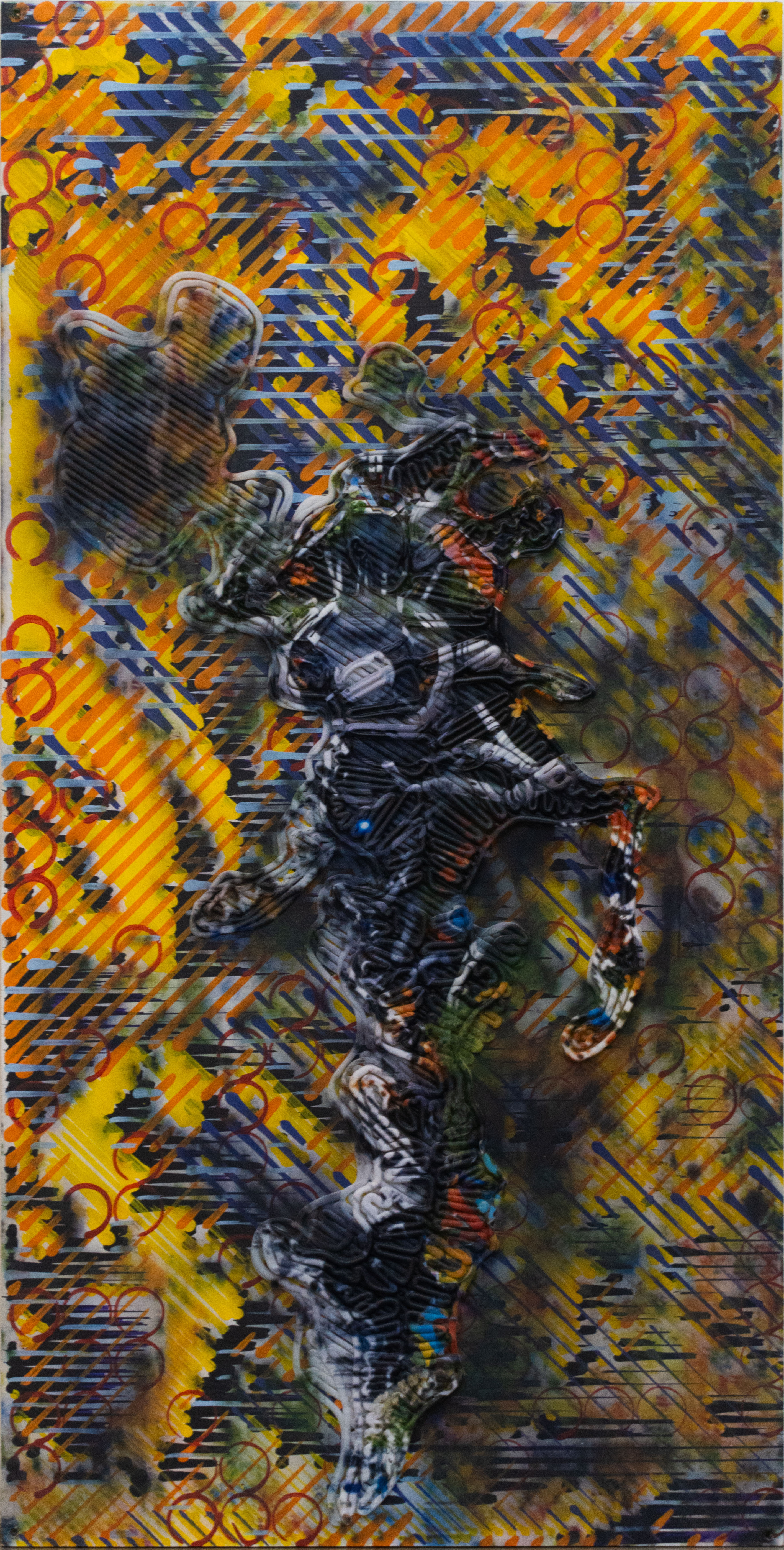
One of the most interesting aspects of this project is the correlation among the three different compositions. The key takeaway is that AI should serve as a tool to support design, rather than replace the designer. As AI and robotics become increasingly important in shaping the future of society, it is essential to integrate these methods thoughtfully into our workflow.
This project connects three different compositions through AI and robotic production. Its main idea is that AI should support the designer, not replace them. By integrating AI and robotics thoughtfully, the project explores how emerging technologies can become part of a future architectural workflow.