Zhengda Liu logo Zhengda Liu
CHARACTERS CRAFT ARCHITECTURE A.I TREAT

PLUMP OF THE ORGANIC

  • 2023 AUTUMN
  • C4D
  • ZBRUSH
Project image

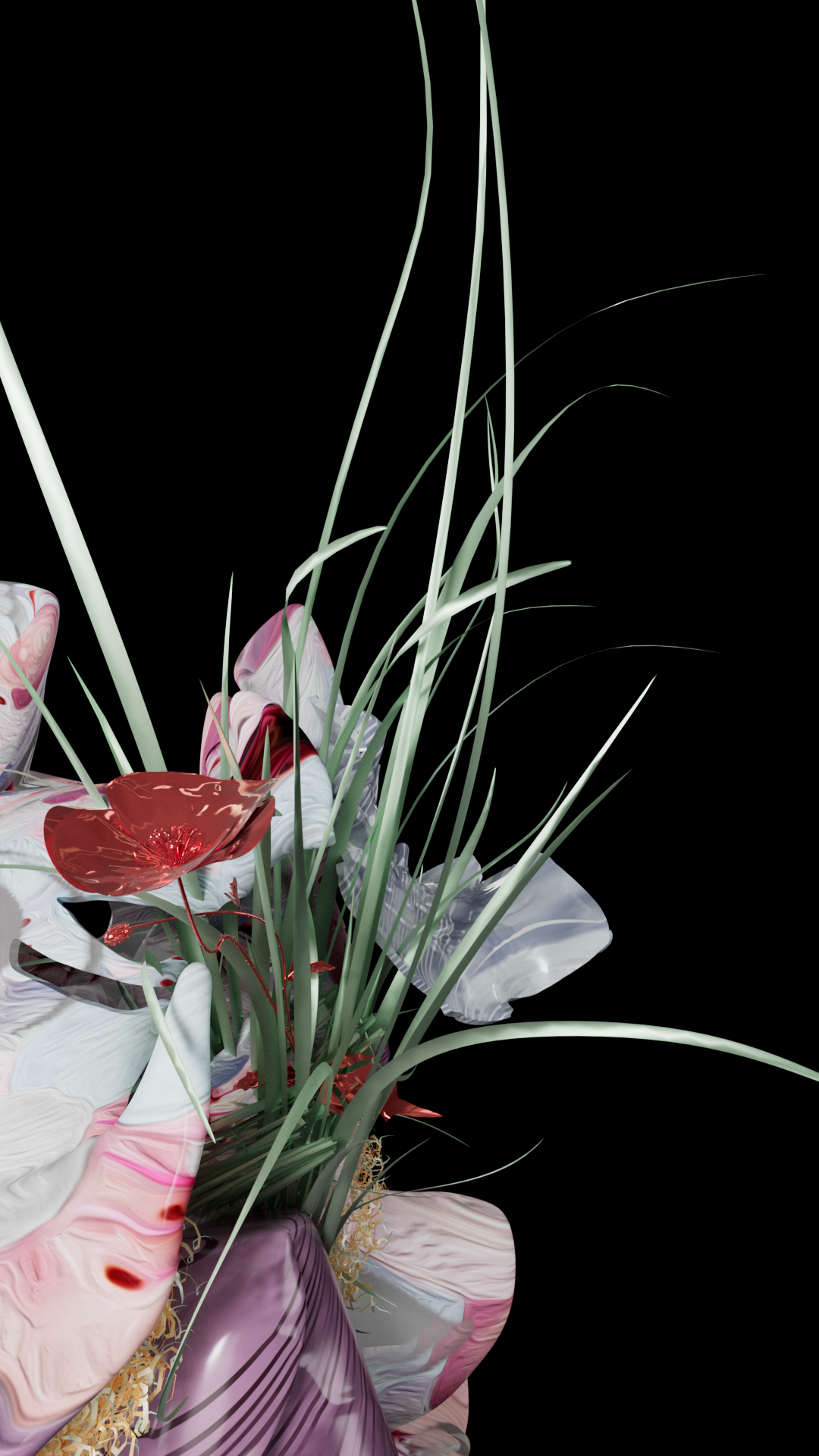
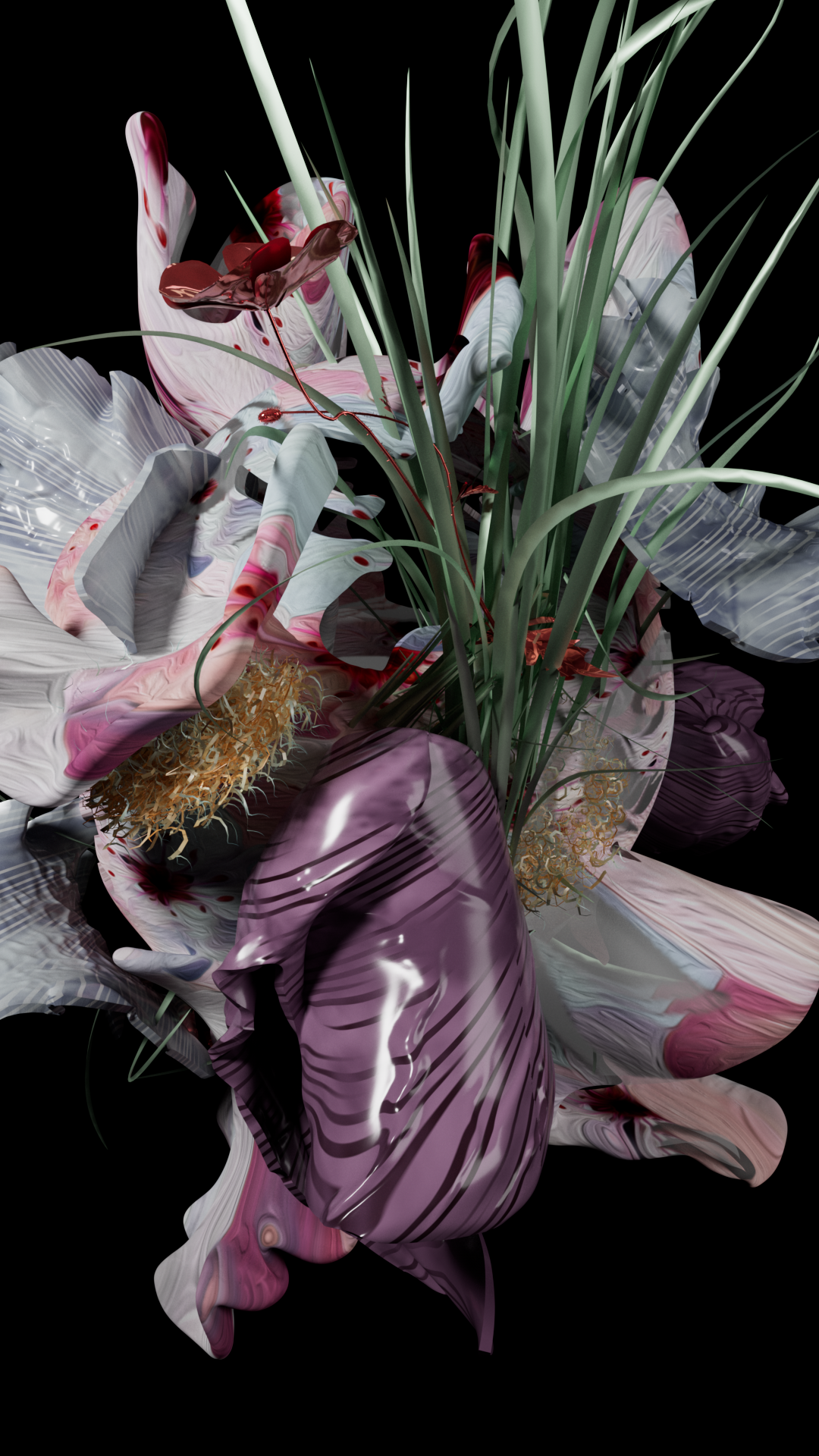
This project investigates the relationship between organic natural forms and digital ceramic rendering techniques. Starting in ZBrush, I sculpted flowers, weeds, and other botanical elements as individual assets. These pieces were then composed into a heart-shaped arrangement to create a vivid and emotionally charged composition. The ceramic material reinforces the fragile connotation of nature, highlighting both its elegance and vulnerability.

This project explores the relationship between organic nature and digital ceramic rendering. Sculpted flowers and weeds are arranged into a heart-shaped composition, while fragile ceramic materials suggest the beauty and vulnerability of nature.
Project image Project image Project image

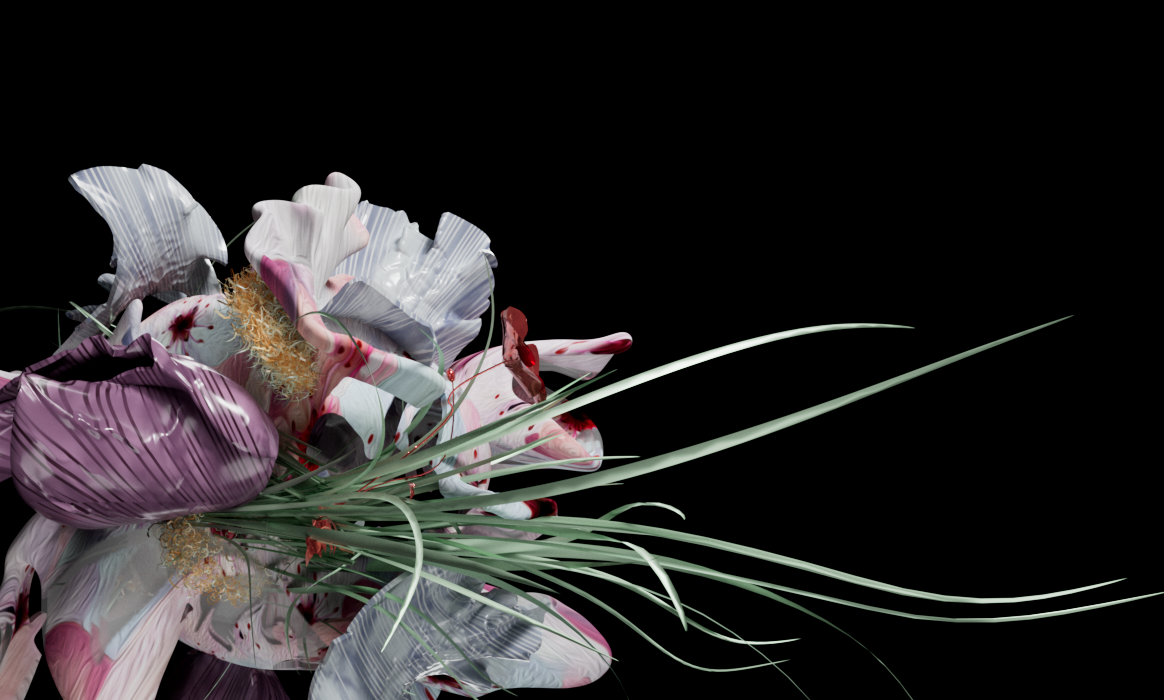
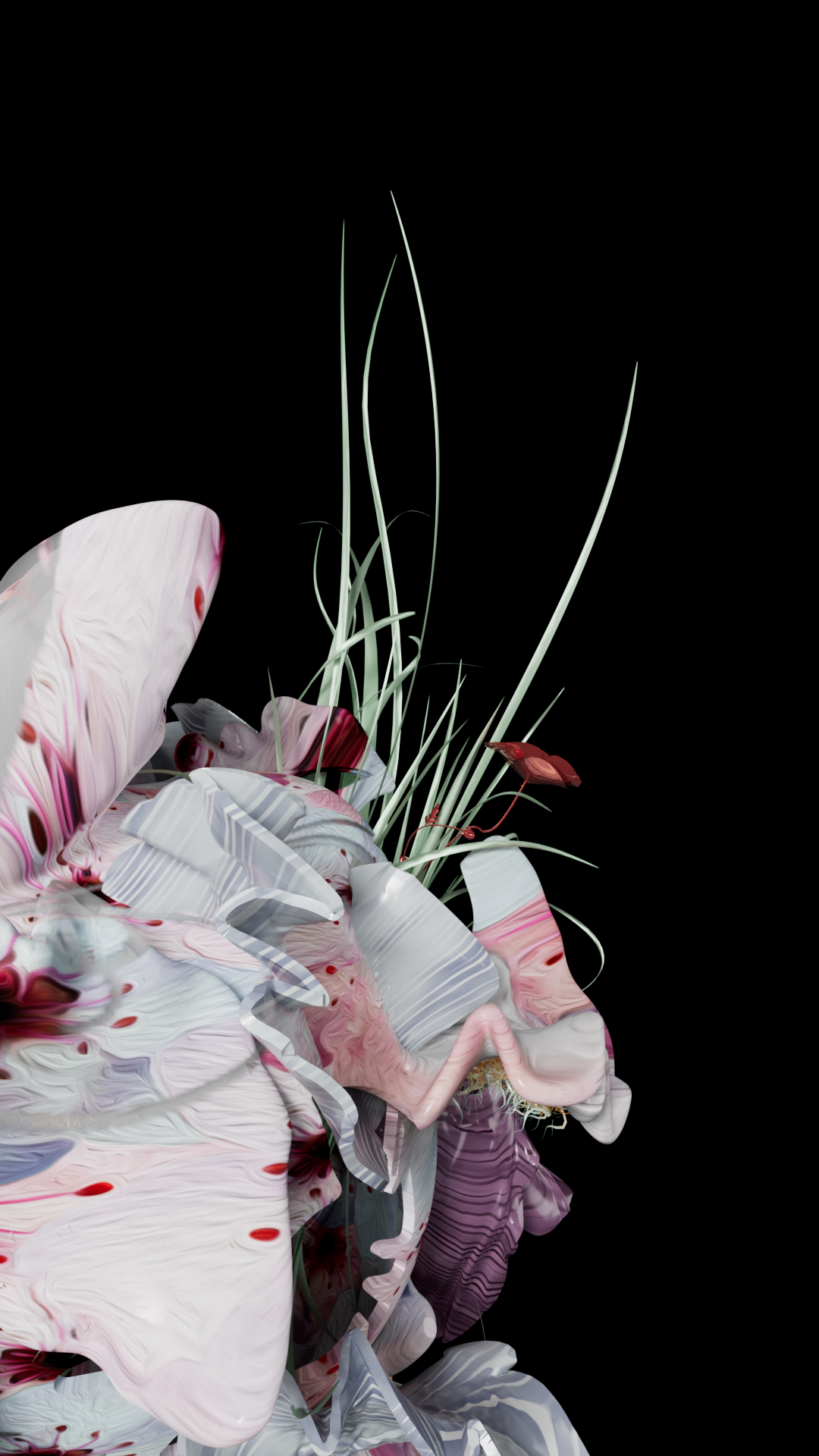
These three zoomed-in images reveal distinct details of the project: flowers, weeds, and vines. Each element embodies the elegance of nature while emphasizing its fragile condition. The color palette combines purple and red to reference the blood and emotional symbolism of the heart, while the green vines allude to the veins of the human body. Through these details, the project creates a visual connection between natural forms and bodily anatomy.

These three close-up images highlight the project’s details: flowers, weeds, and vines. Each element expresses the elegance and fragility of nature. The purple and red tones suggest the heart’s blood, while the green vines resemble veins running through the body.

The visualization of this project is inspired by the pulse of a beating heart. I have always found it challenging to fully recognize the vitality of plants such as grass and flowers. Although they are living organisms, their stillness often makes their life easy to overlook. This project uses digital visualization methods to express the hidden vitality of rooted plants and to make their silent presence more perceptible.

This visualization emulates the rhythm of a heartbeat. By animating still plants such as grass and flowers, the project uses digital methods to reveal the hidden vitality of nature and make its quiet life more visible.
STANCE ON EARTH

  • 2023 AUTUMN
  • C4D
  • ZBRUSH
  • PHYSICAL MODEL

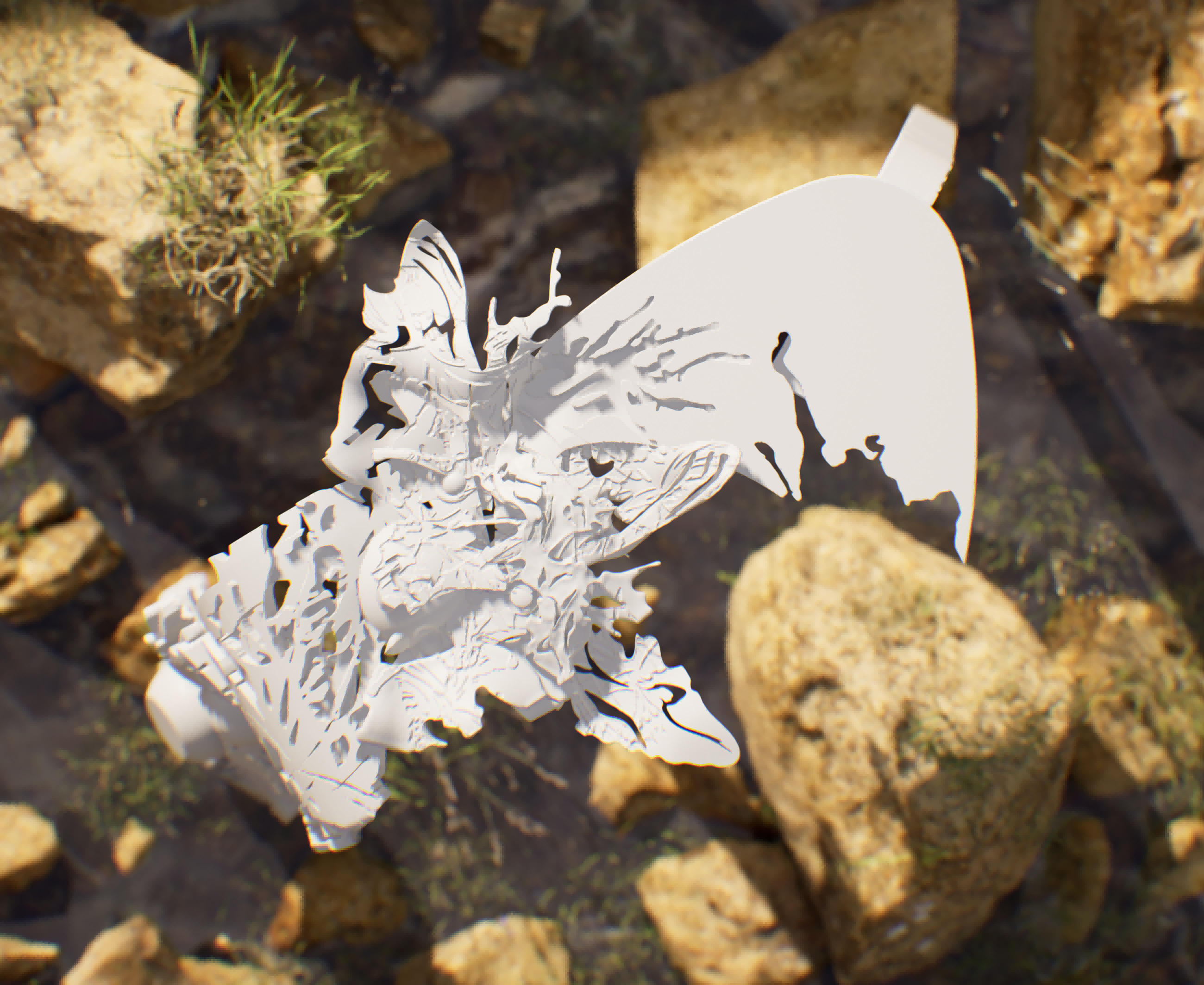
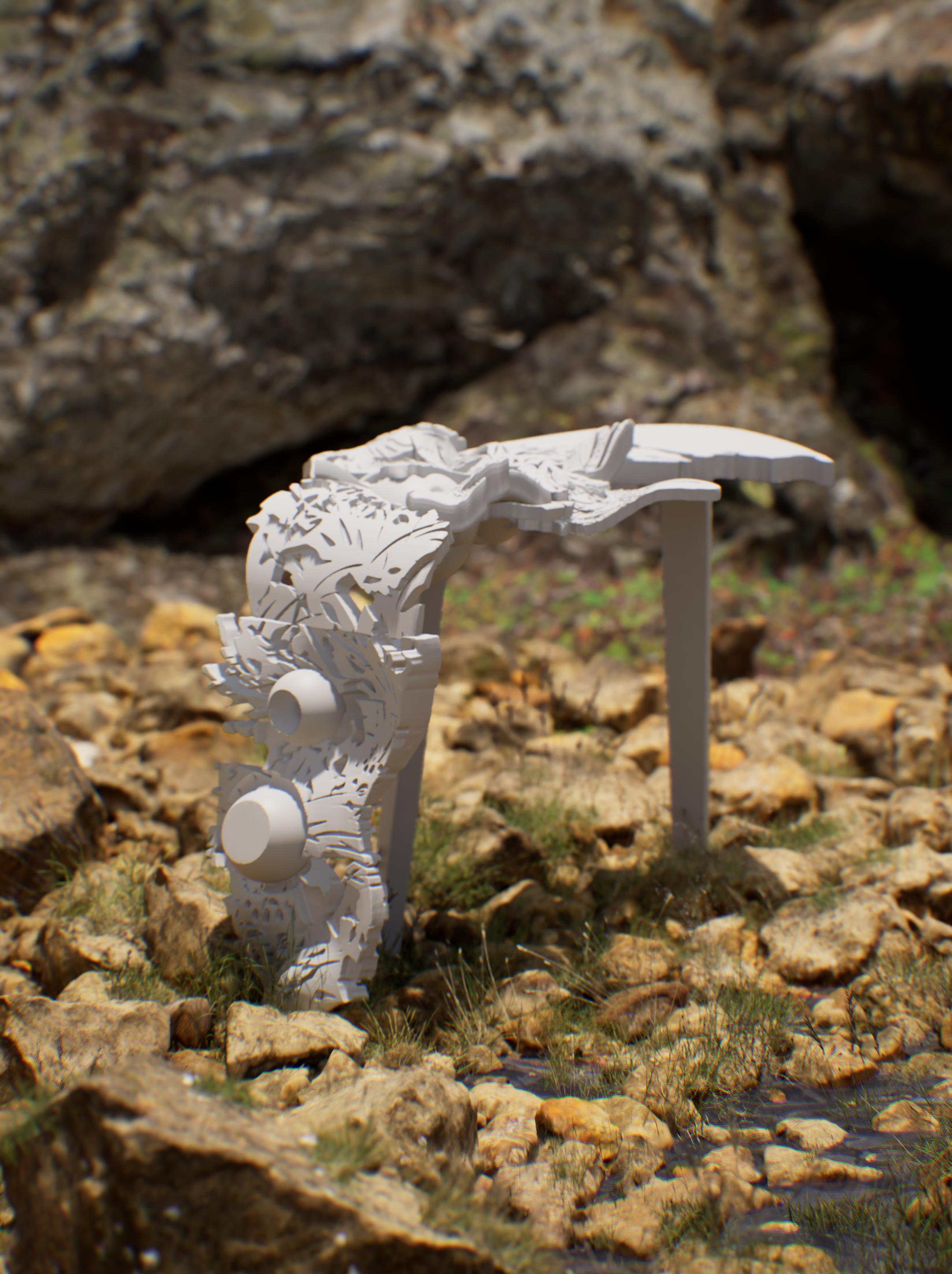
The interface between humans and artificial intelligence encompasses a broad spectrum, reflecting the dynamic and diverse nature of this relationship. This project is ambitiously poised to harness the power of AI-generated imagery, utilizing these visual creations as foundational prototypes for tangible, real-world applications. Artificial intelligence not only opens up alternative ways of conceptualizing ideas but also significantly enhances the design process, pushing it to unprecedented levels of innovation and creativity.

This project explores the interface between humans and artificial intelligence. By using AI-generated images as design prototypes, it examines how artificial intelligence can expand imagination, reshape conceptual thinking, and introduce new possibilities into real-world design processes.

Project image Project image

By employing state-of-the-art 3D software, we are embarking on a novel journey to amalgamate AI-produced two-dimensional visuals with the tangible, physical form of realistic stools. This fusion not only exemplifies the seamless integration of digital and physical realms but also sets a groundbreaking precedent for design methodologies. It’s a testament to the potential of AI to act as a catalyst for design evolution, offering fresh perspectives and inspiring a future where the boundaries between virtual creativity and practical functionality blur, leading us towards a new era of design ingenuity.

Using 3D software, this project transforms AI-generated 2D images into realistic stool designs. It explores the fusion of digital imagination and physical function, showing how AI can inspire new design methods and blur the boundary between virtual creation and real-world objects.

STACK OF THE FLOWER

  • 2023 AUTUMN
  • ZBRUSH
  • PHYSICAL MODEL

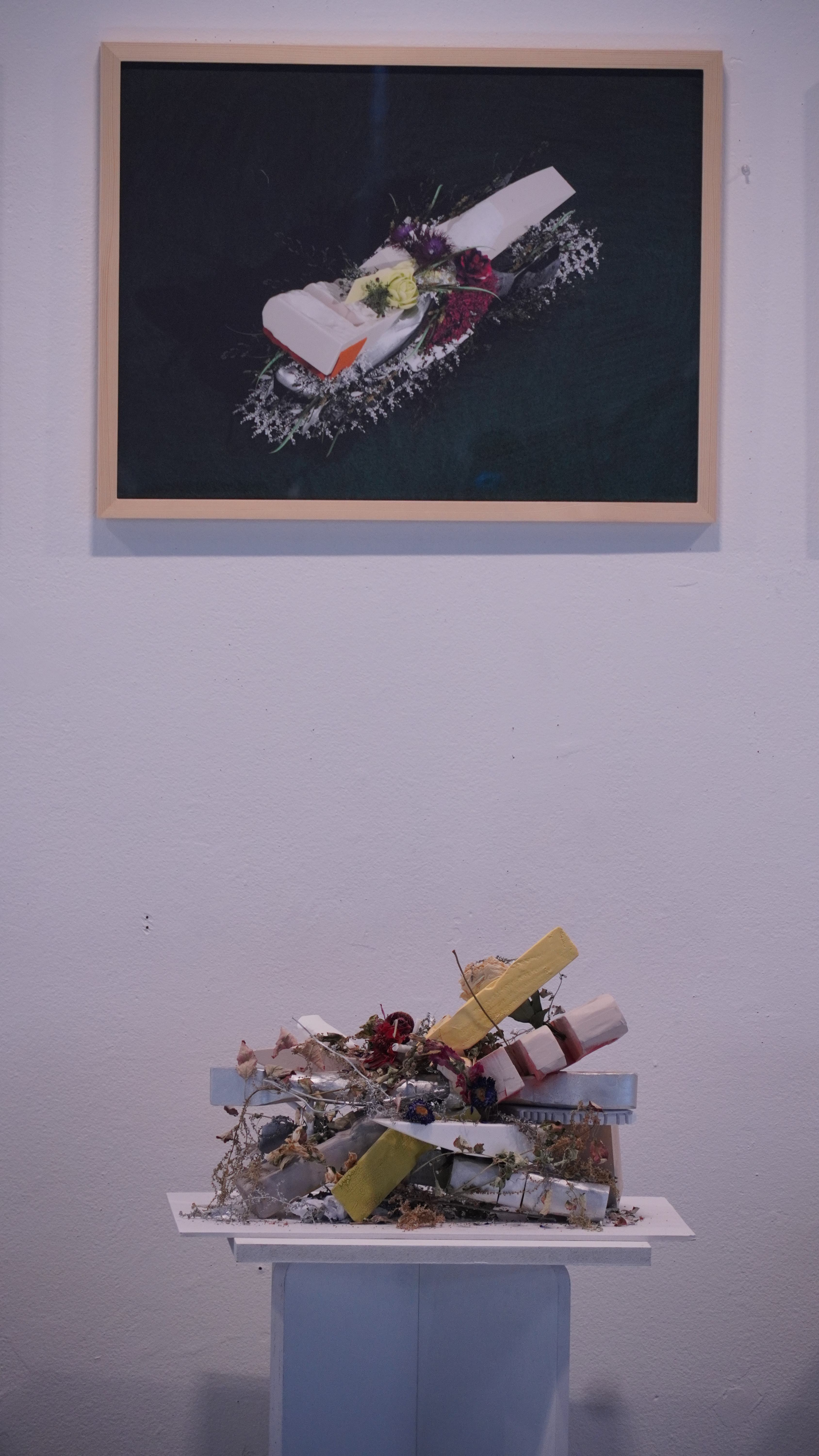
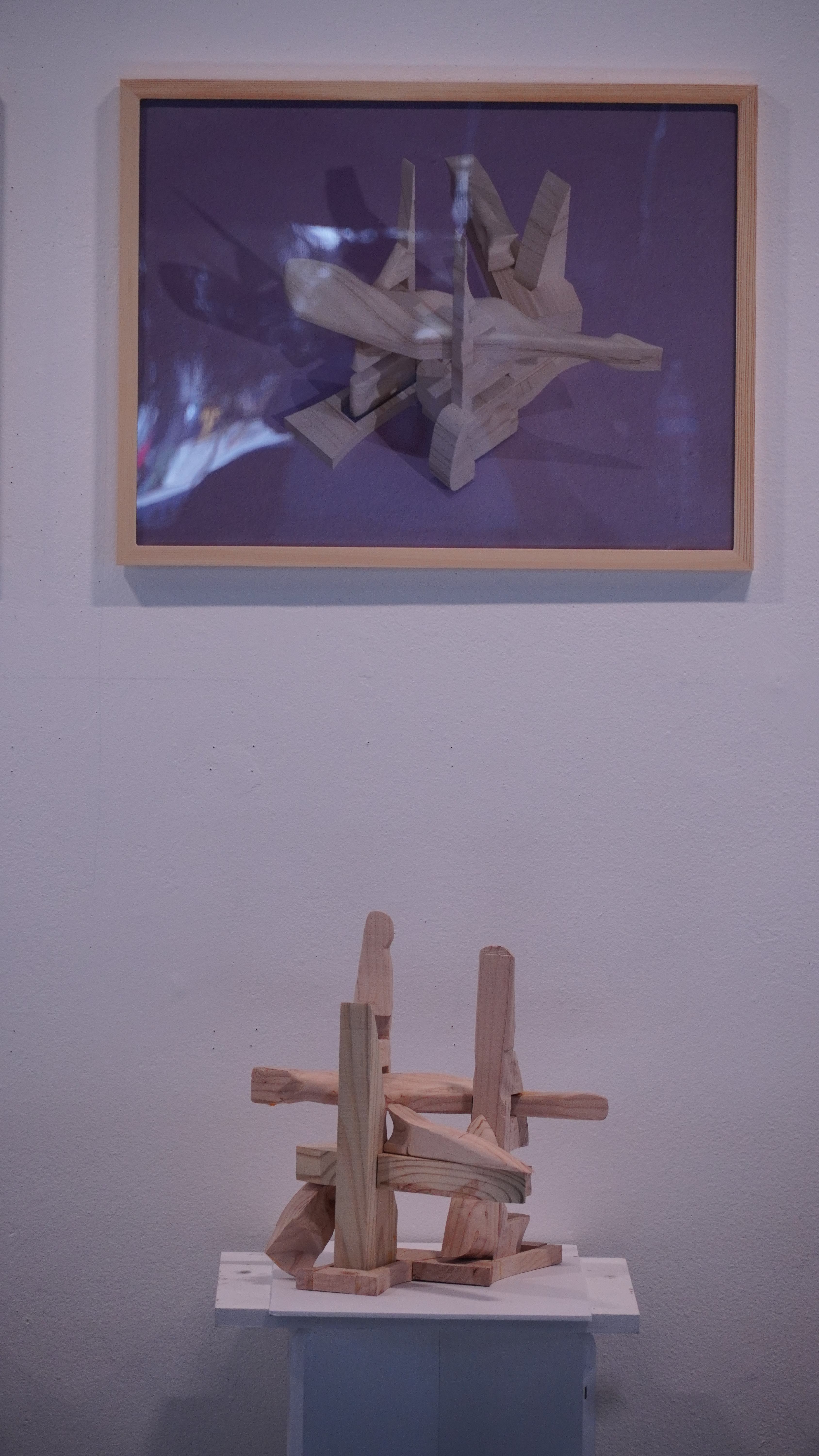
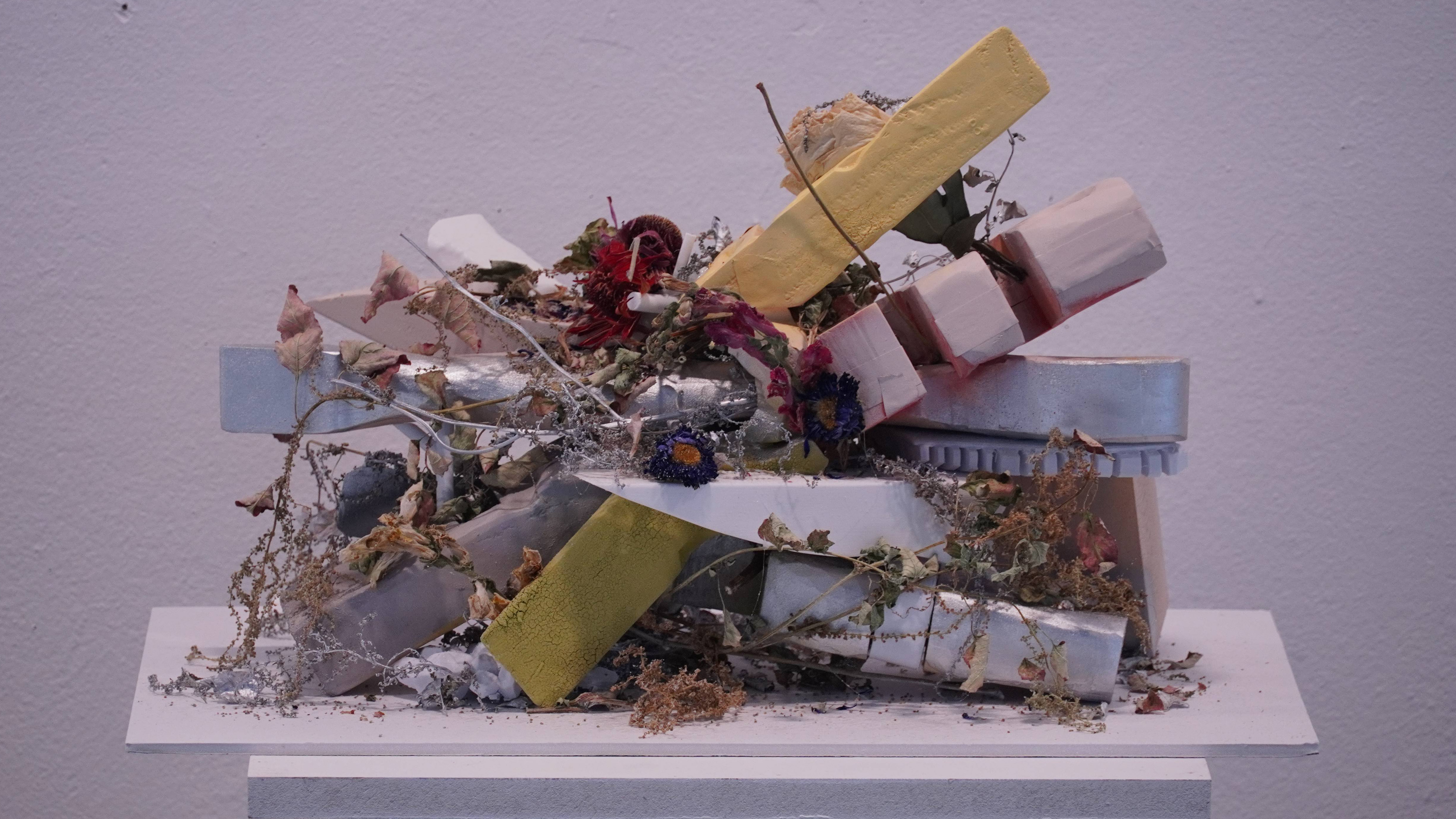
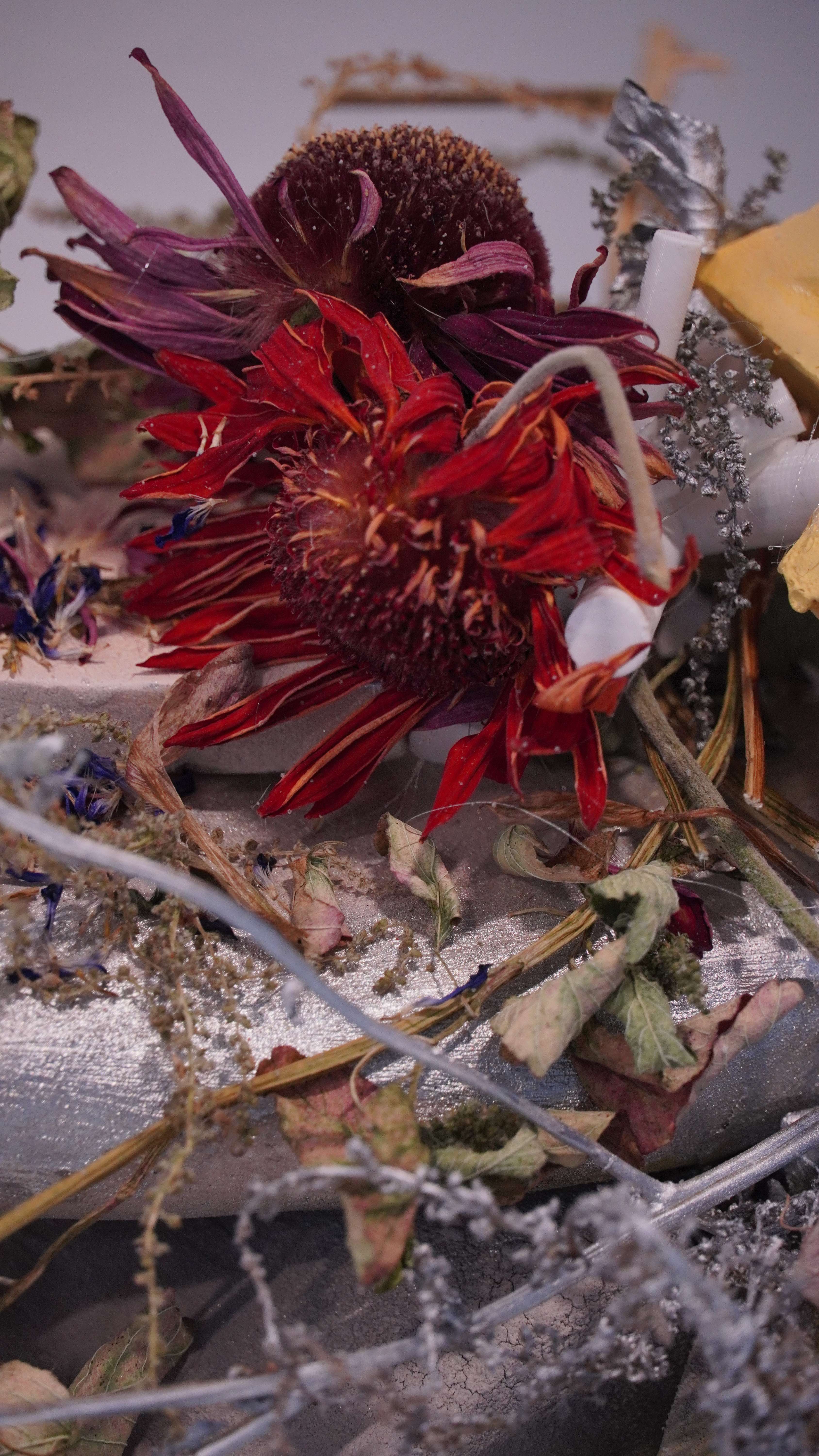
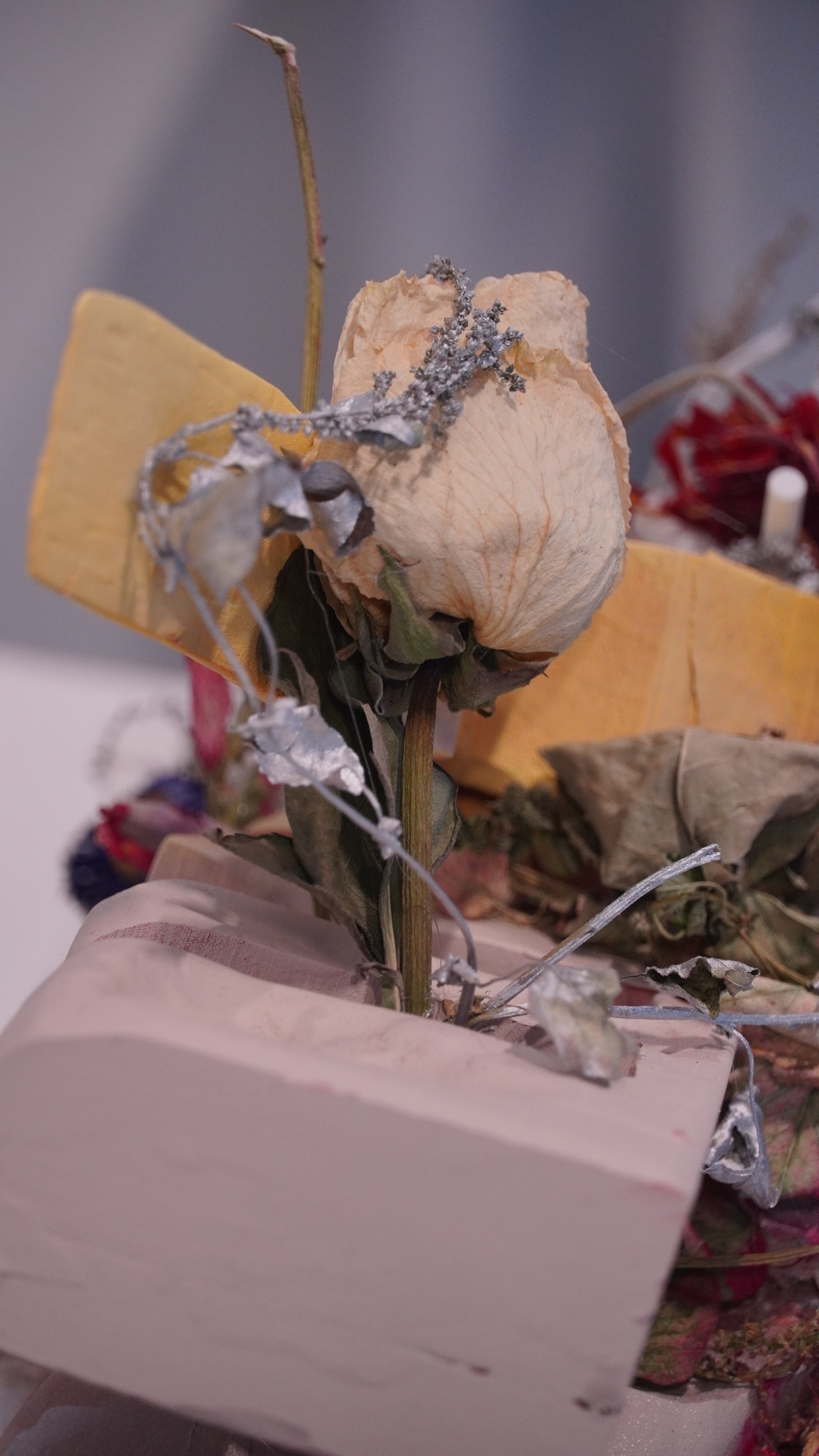
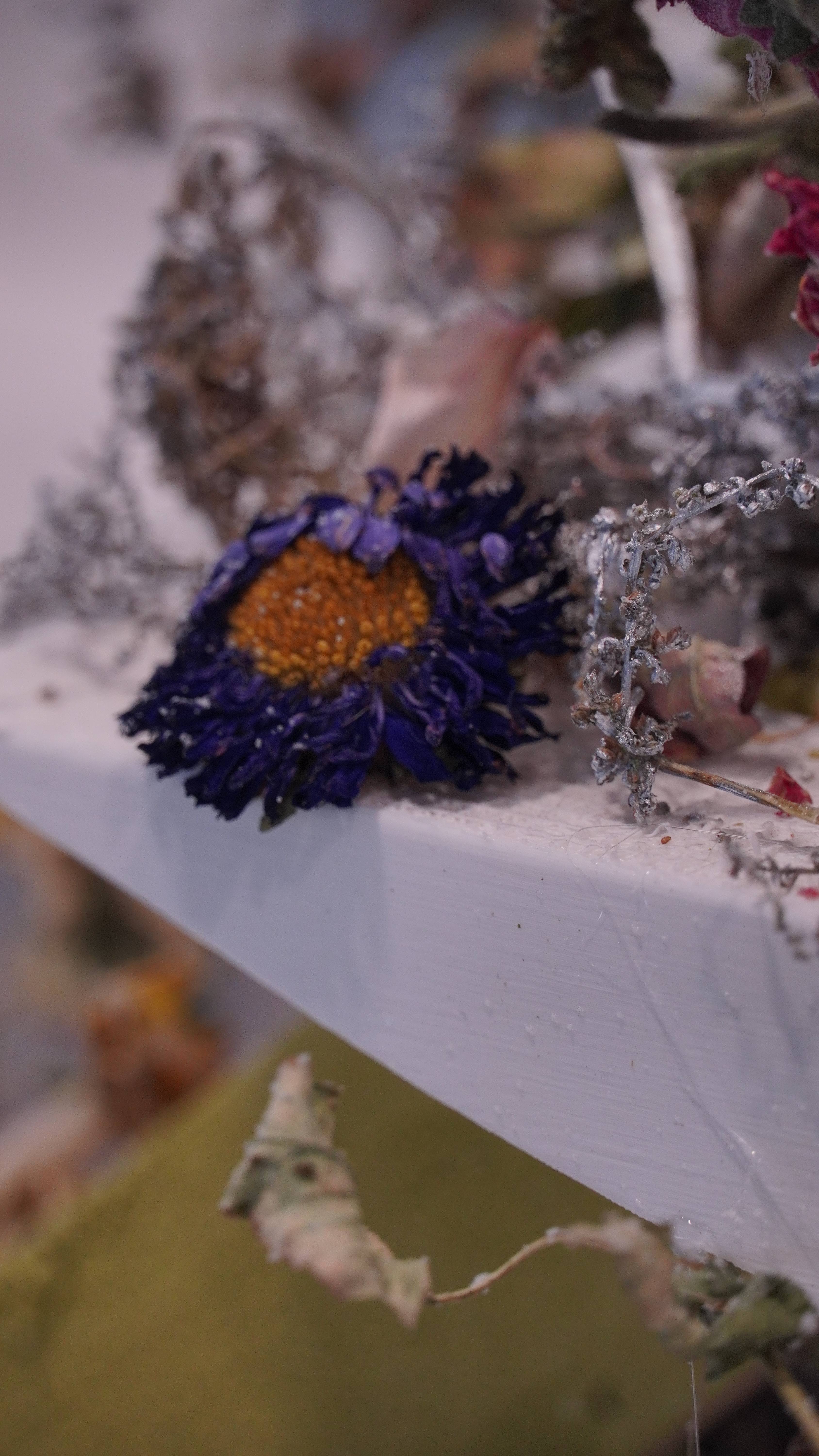
This project began as a brainstorm without a fixed concept. Its goal was to explore how far material study could be developed through the combination of different natural elements collected outdoors. The process started with simple materials such as flowers, grass, and wood. One key method was to cut the wood pieces randomly and stack them together, testing how they could form a stable structure. This process helped reveal the spatial and structural potential of the natural materials themselves. At the same time, the natural colors of the flowers brought vibrancy to the composition and drew attention to the project.

This project is an open-ended exploration of natural materials. Using flowers, grass, and wood, it studies how found elements can be combined into new forms. Randomly cut and stacked wood creates a standing structure, while the natural colors of the flowers bring vibrancy and draw attention to the composition.

Project image Project image

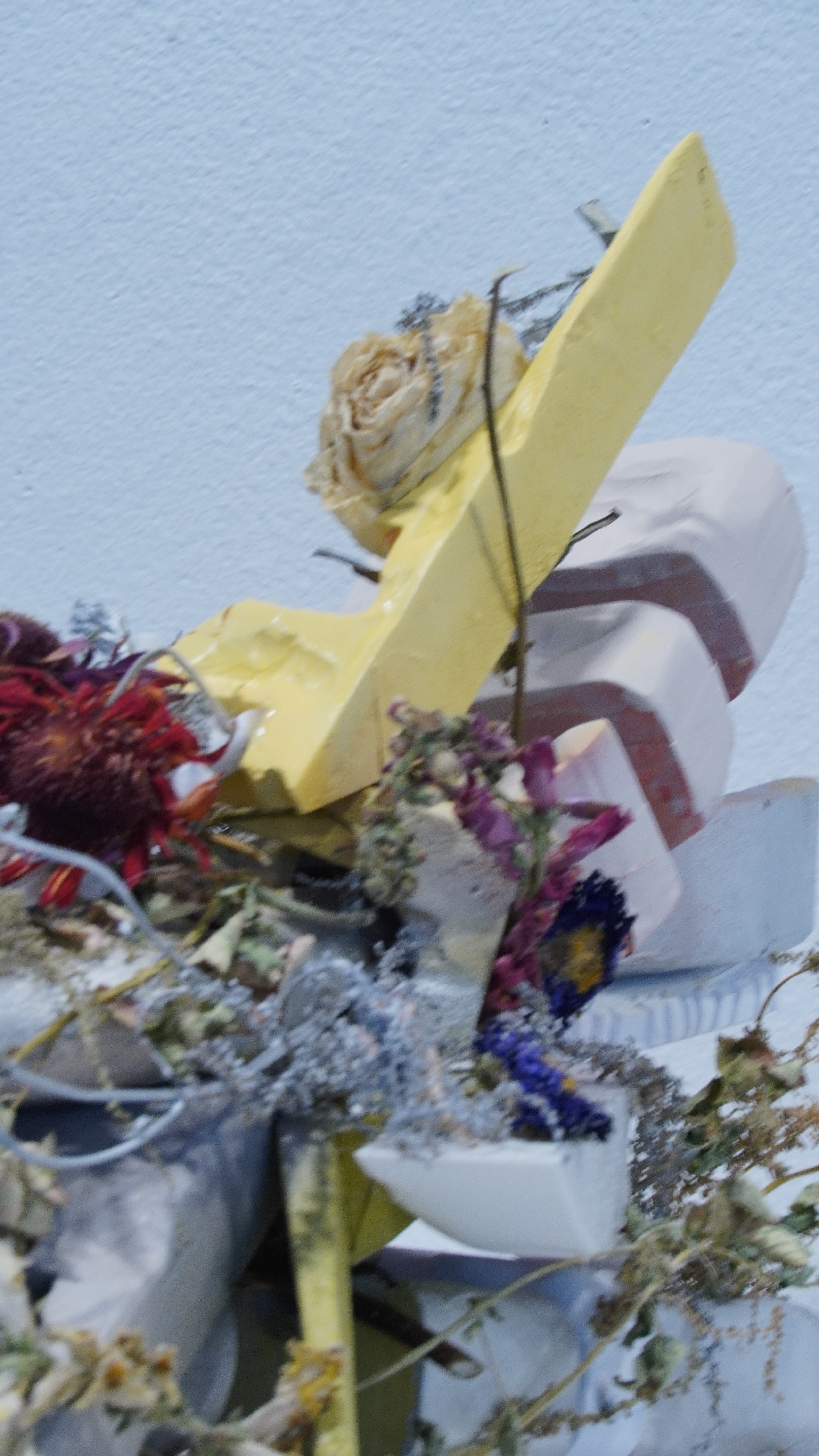
The two different stacks emphasize two distinct qualities explored through the installation. One focuses on the structural strength and stability of the wood, while the other highlights the visual intensity and expressive power of the flowers.

Tow different stacks focus on different thing we could learn from the installation. One is the strength power from the wood and the other is the color power from the flower.

Project image Project image Project image Project image Project image Project image

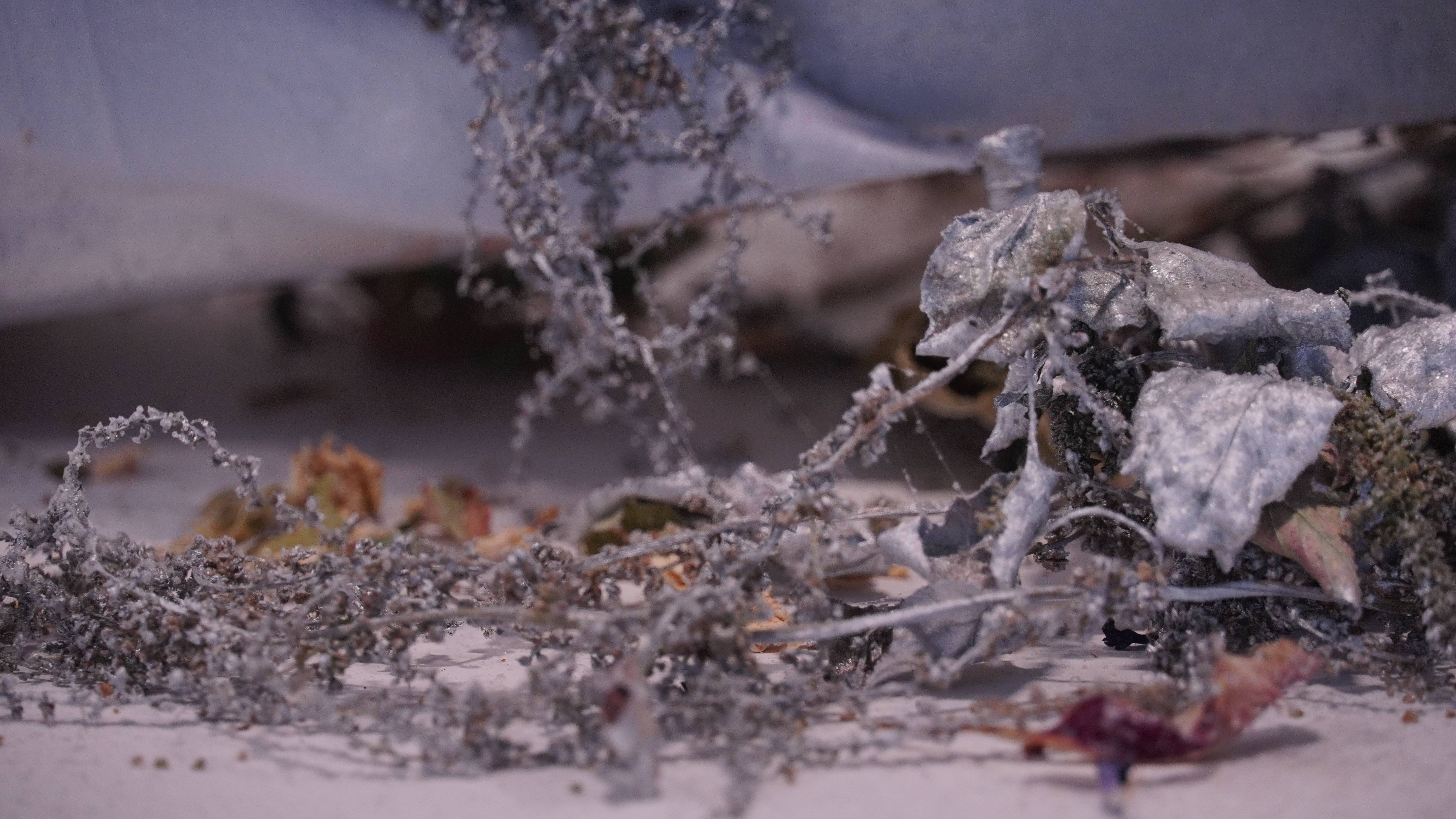
The scattered pieces on the ground also became an important part of the composition. The debris and flakes that fell during the process were not treated simply as waste or mistakes, but as material that could still contribute to the overall installation. In this way, the leftover fragments became part of the composition itself, extending the project’s attention to process, accident, and material presence.

The scatter pieces on the ground is also a important concept while we working on the composition. The derbis and the flakes dropped down during the process might not always be the bad thing. They could be the part of the composition as well.

ILLUSIONARY FOREST

  • 2024 AUTUMN
  • BLENDER
  • UNREAL

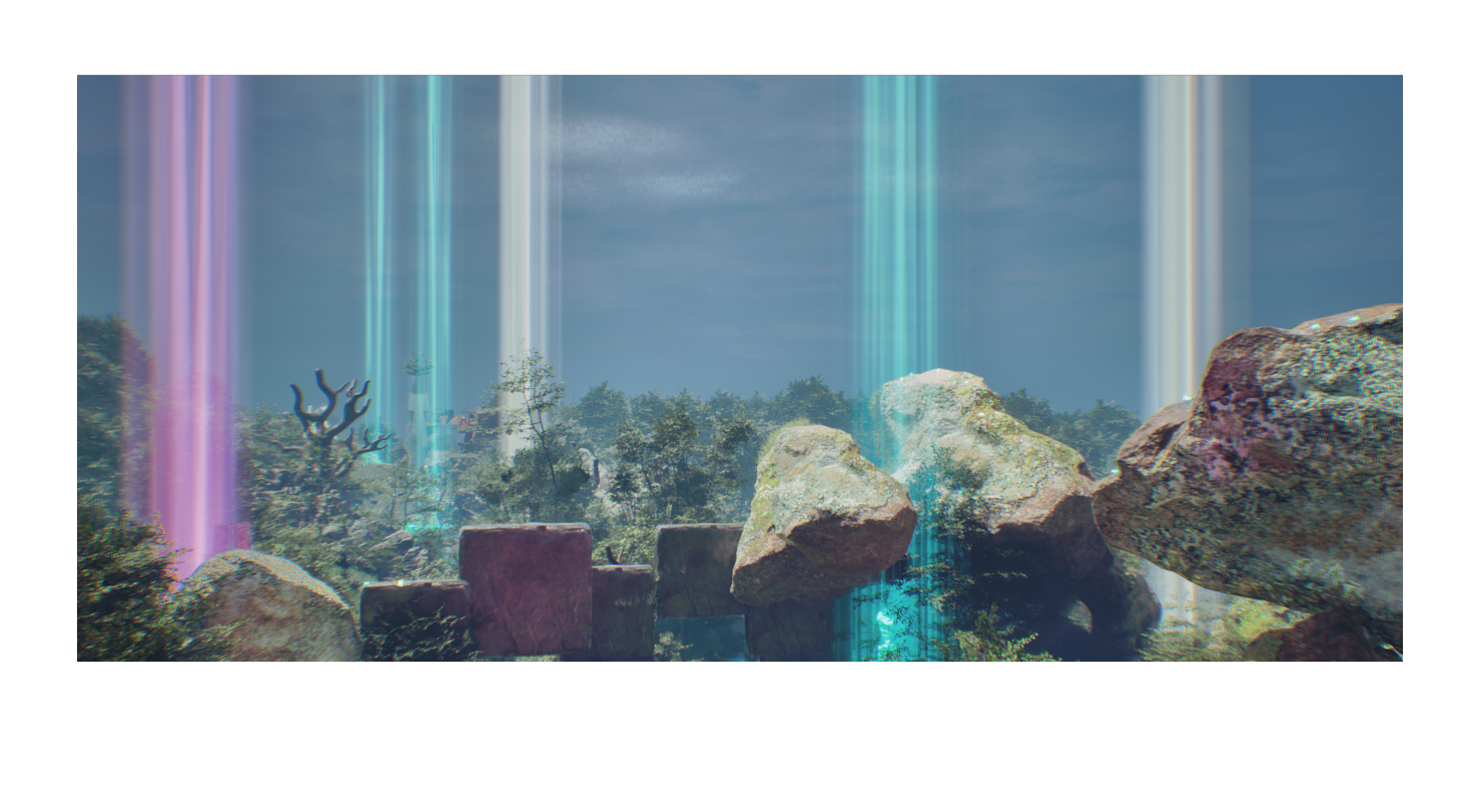
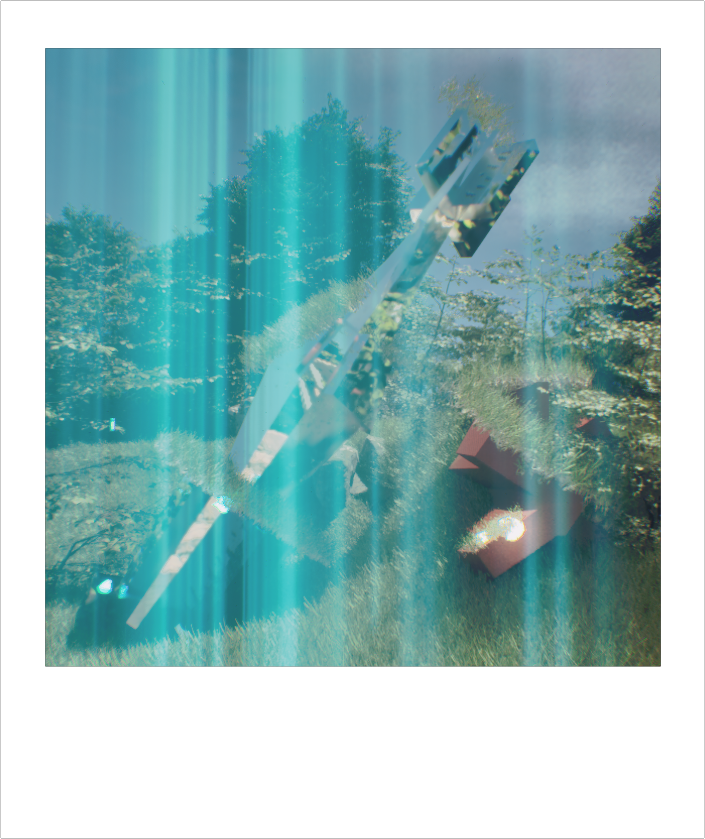
This is a landscape project designed to create a stylized environment that evokes feelings of peace, wonder, and mystery. The main method used in the map design was the placement of light pillars, which serve as visual guides leading the player from one destination to another. Most of the assets in the project are intentionally simple, focusing on atmosphere rather than complexity. One of the key precedents that influenced this work was The Legend of Zelda: Breath of the Wild, which demonstrates how an immersive environment can be built through the use of simple yet highly stylized assets, color, and spatial composition.

This landscape project creates a stylized environment filled with peace, wonder, and mystery. Light pillars guide players from one destination to another, while simple assets and colors build an immersive world inspired by The Legend of Zelda: Breath of the Wild.

Project image Project image Project image Project image Project image Project image

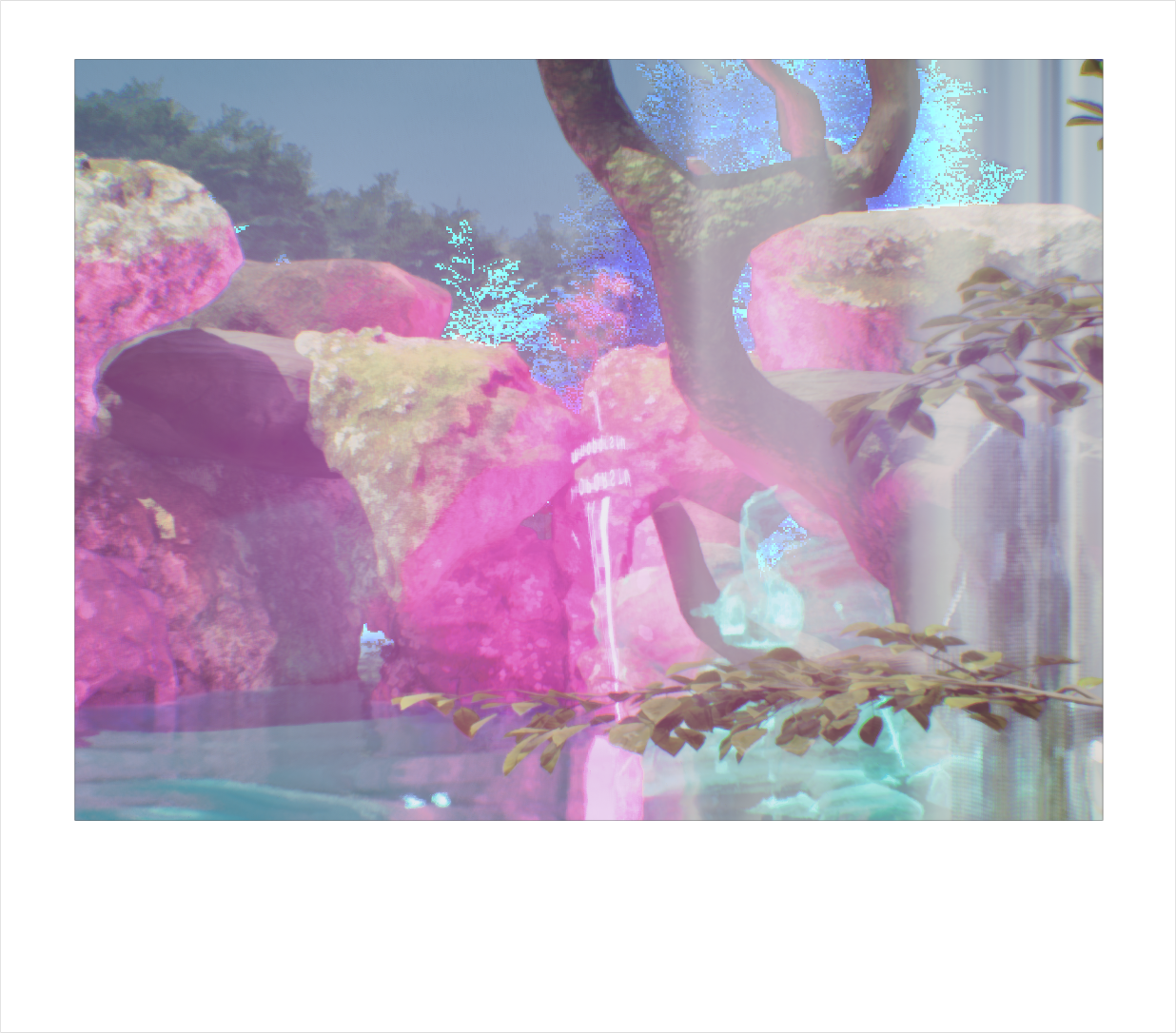
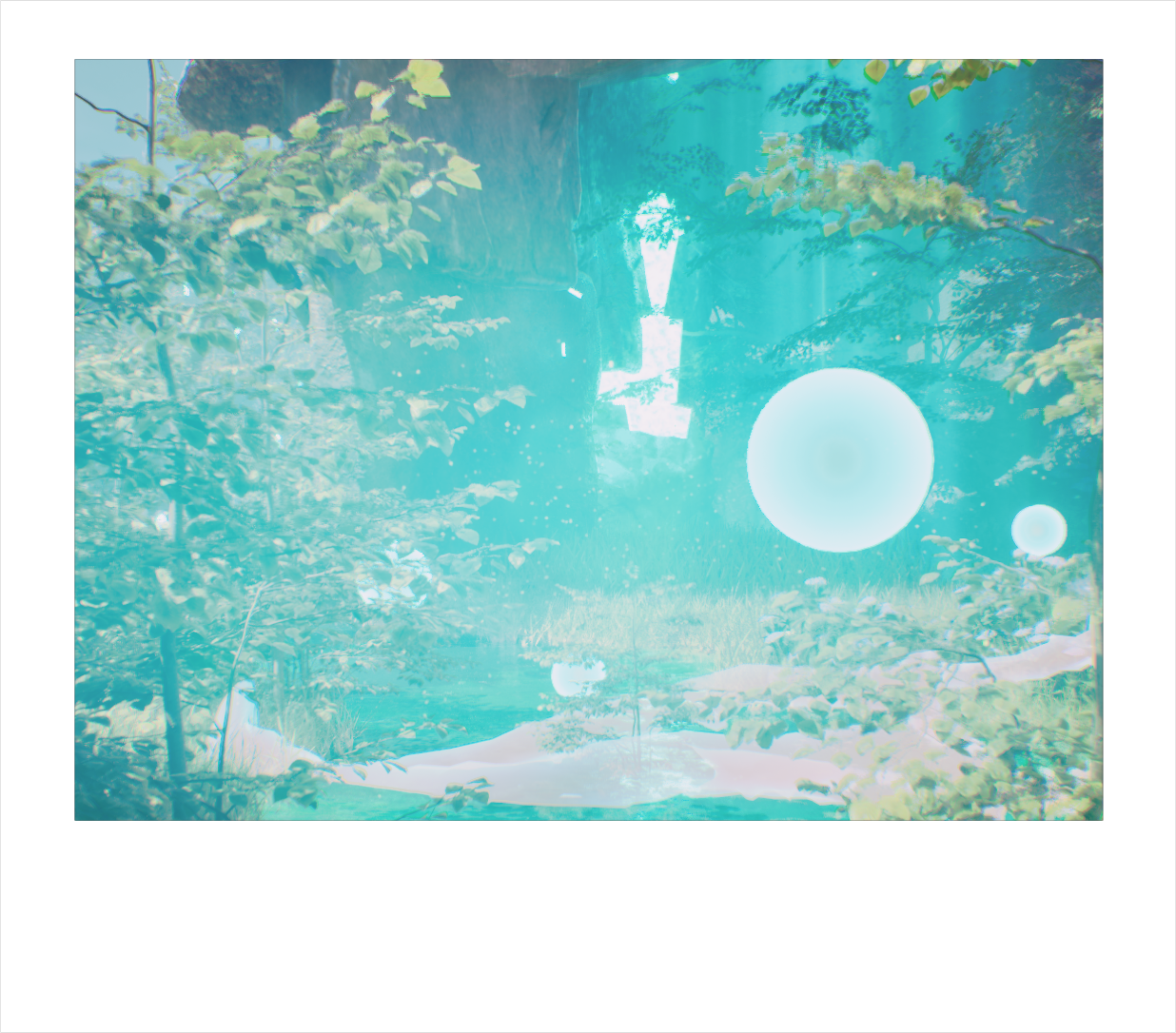
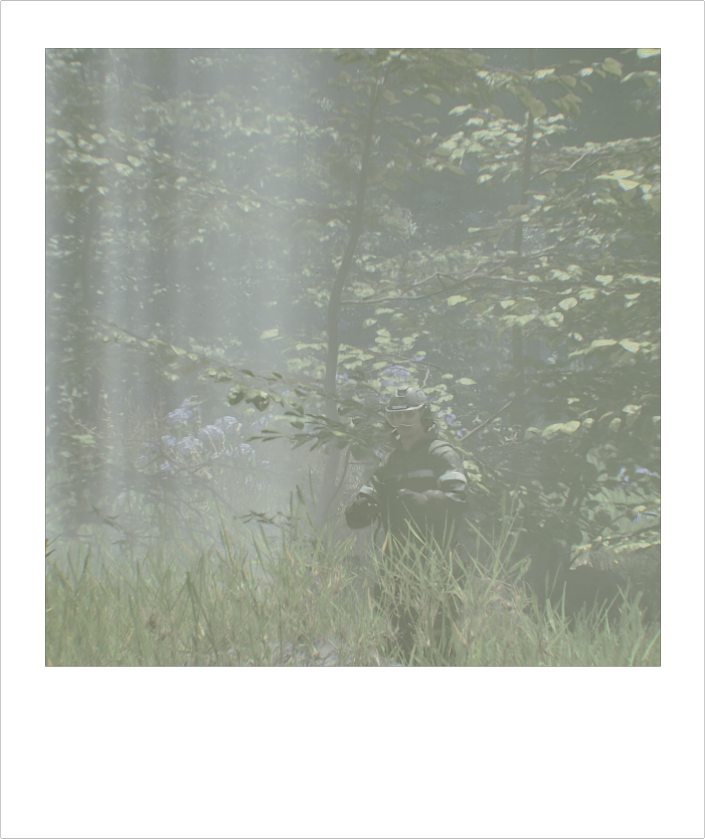
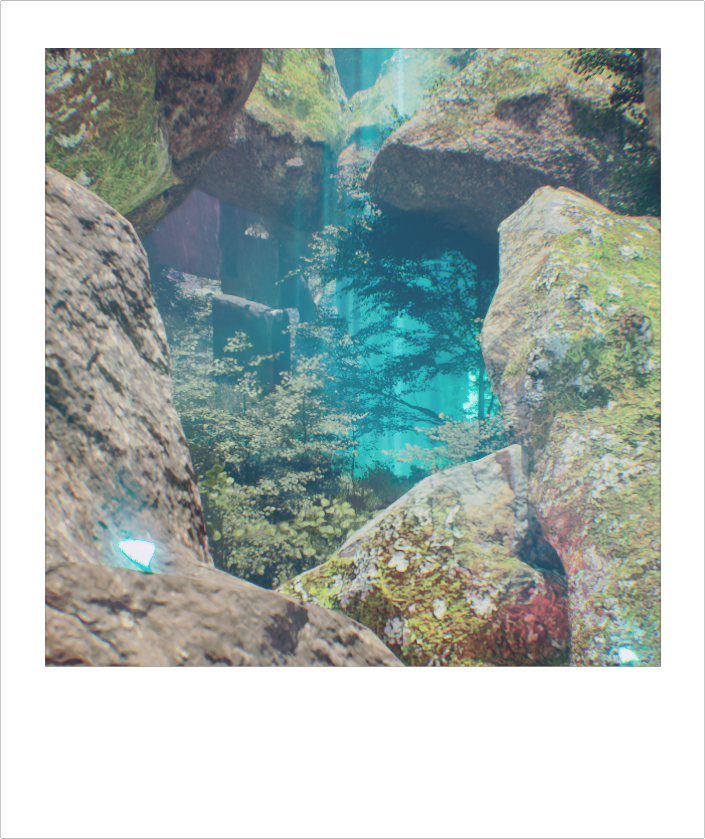
The overall map contains several distinct points of interest. Each area was designed to feel different enough to remain memorable, while still maintaining a shared atmosphere across the environment. In this scenario, I created a foggy forest, a stone cave, a glowing river, and a ruined construction site, along with several other spaces for players to explore.

The map contains several places of interest, each designed to feel distinct while still belonging to the same world. Areas such as the fog forest, stone cave, glowing river, and vast construction site give players different atmospheres to discover and explore.