Zhengda Liu logo Zhengda Liu
CHARACTERS CRAFT ARCHITECTURE A.I TREAT

FROM THE SKYLINE

  • 2024 AUTUMN
  • UNREAL
  • RHINO

Environment and Survival — Our world appears to be facing an environmental crisis of increasing severity. As wildfires continue to spread across Los Angeles, these events call for greater attention to the lessons that natural disasters can teach us. In Los Angeles, communities are repeatedly confronted with threats such as earthquakes and wildfires. Although these disasters may seem separate, they can also be understood as interconnected symptoms of larger environmental instability. In The Day After Tomorrow, catastrophic events unfold in sequence, beginning with an earthquake and followed by wildfire and extreme cold. This artwork draws on that logic by reconstructing images of earthquakes, cold, and wildfires to reflect the fragile condition of the Earth and to emphasize the urgency of environmental awareness. At the same time, the work suggests the possibility of hope. The pink flowers and early signs of spring hidden beneath the snow symbolize resilience and renewal, expressing the belief that through collective effort, people can develop a deeper understanding of the environment and work together to protect the planet.

Environment and Survival reflects on earthquakes, wildfires, and extreme cold as signs of environmental instability. Inspired by Los Angeles disasters and The Day After Tomorrow, the artwork reveals the fragile condition of the Earth. Yet the pink flowers beneath the snow symbolize hope, resilience, and renewal.
THE CYBER SYRACUSE

  • 2024 AUTUMN
  • UNREAL
  • BLENDER
  • MAYA
  • SUBSTANCE PAINTER
Project image

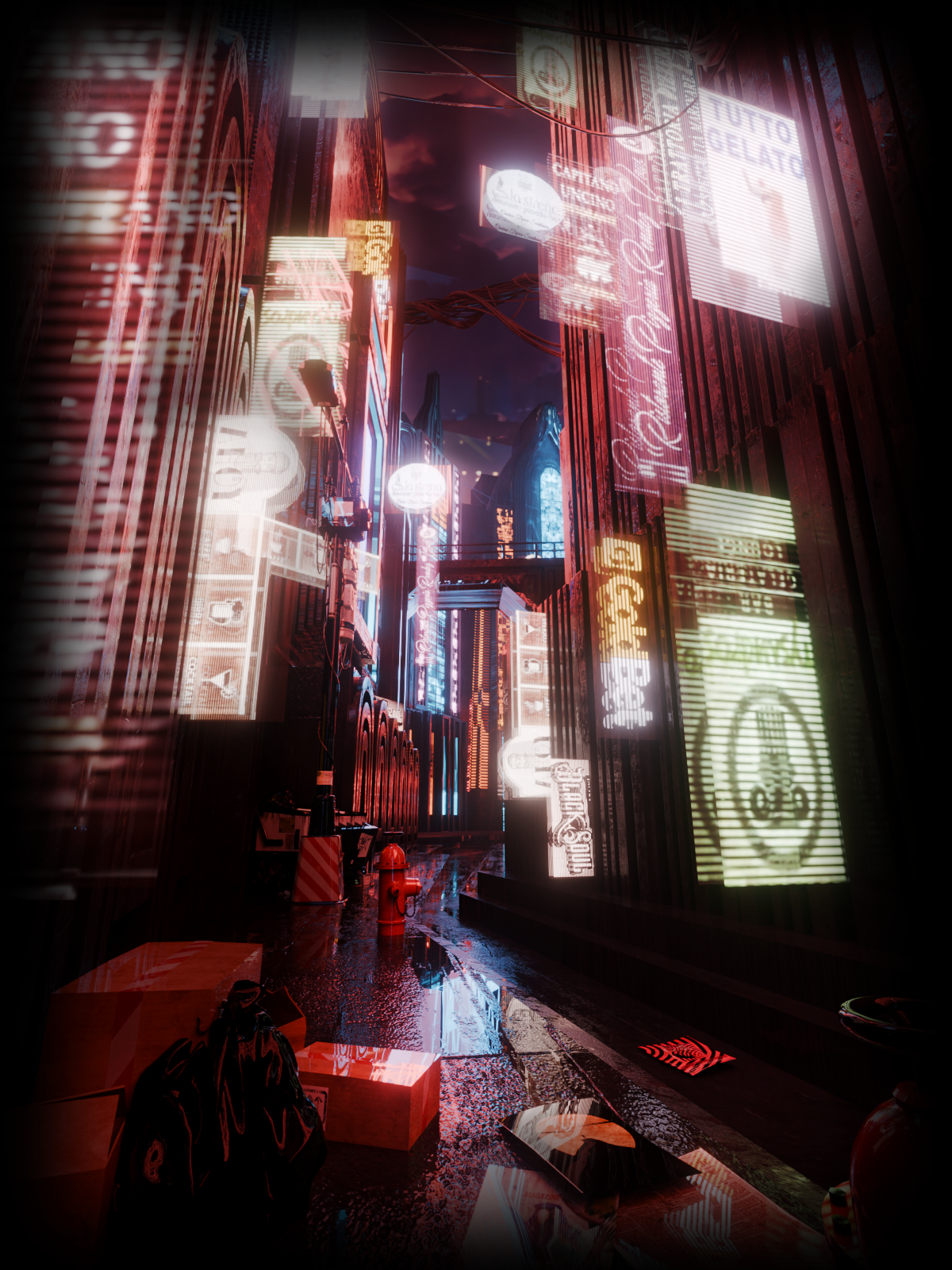
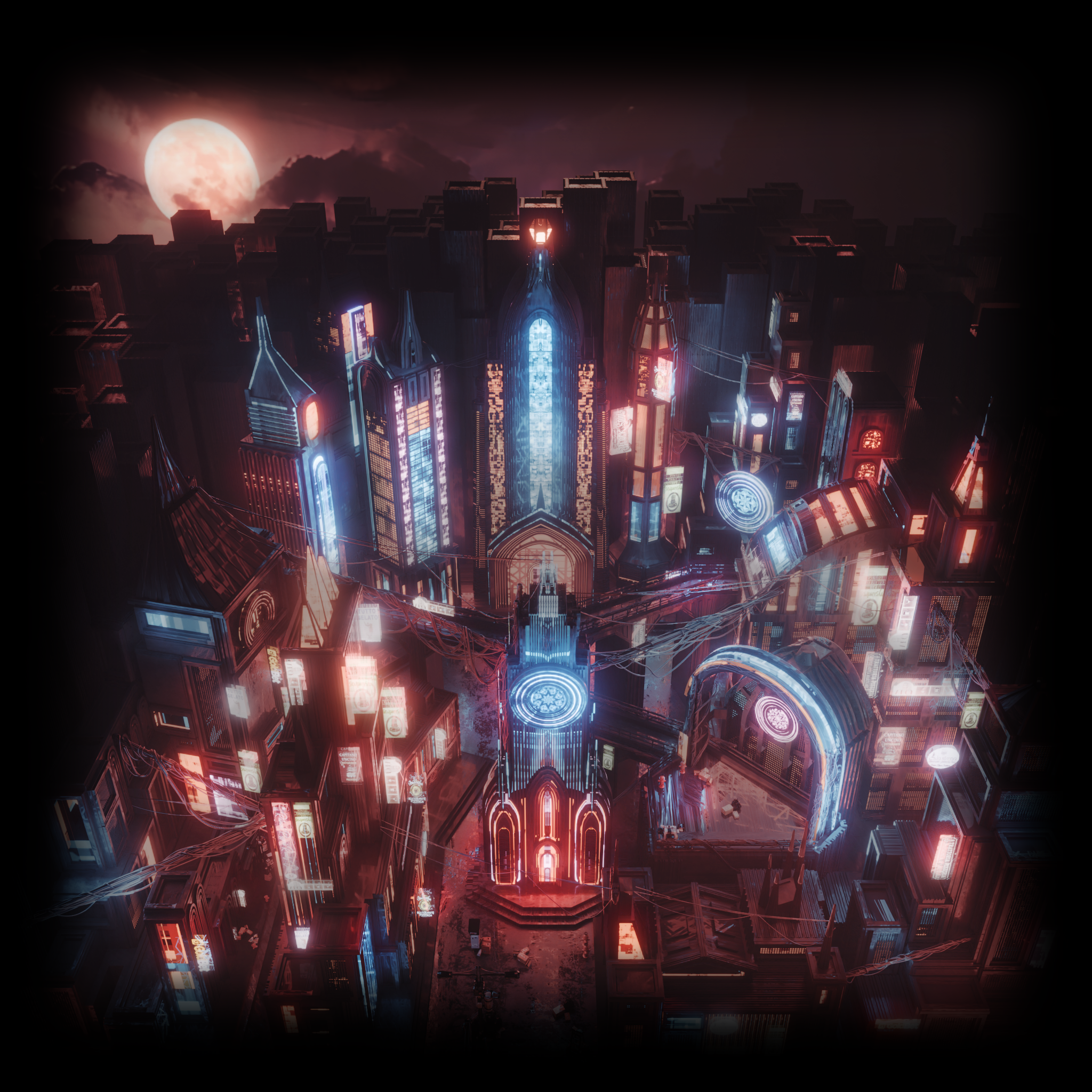
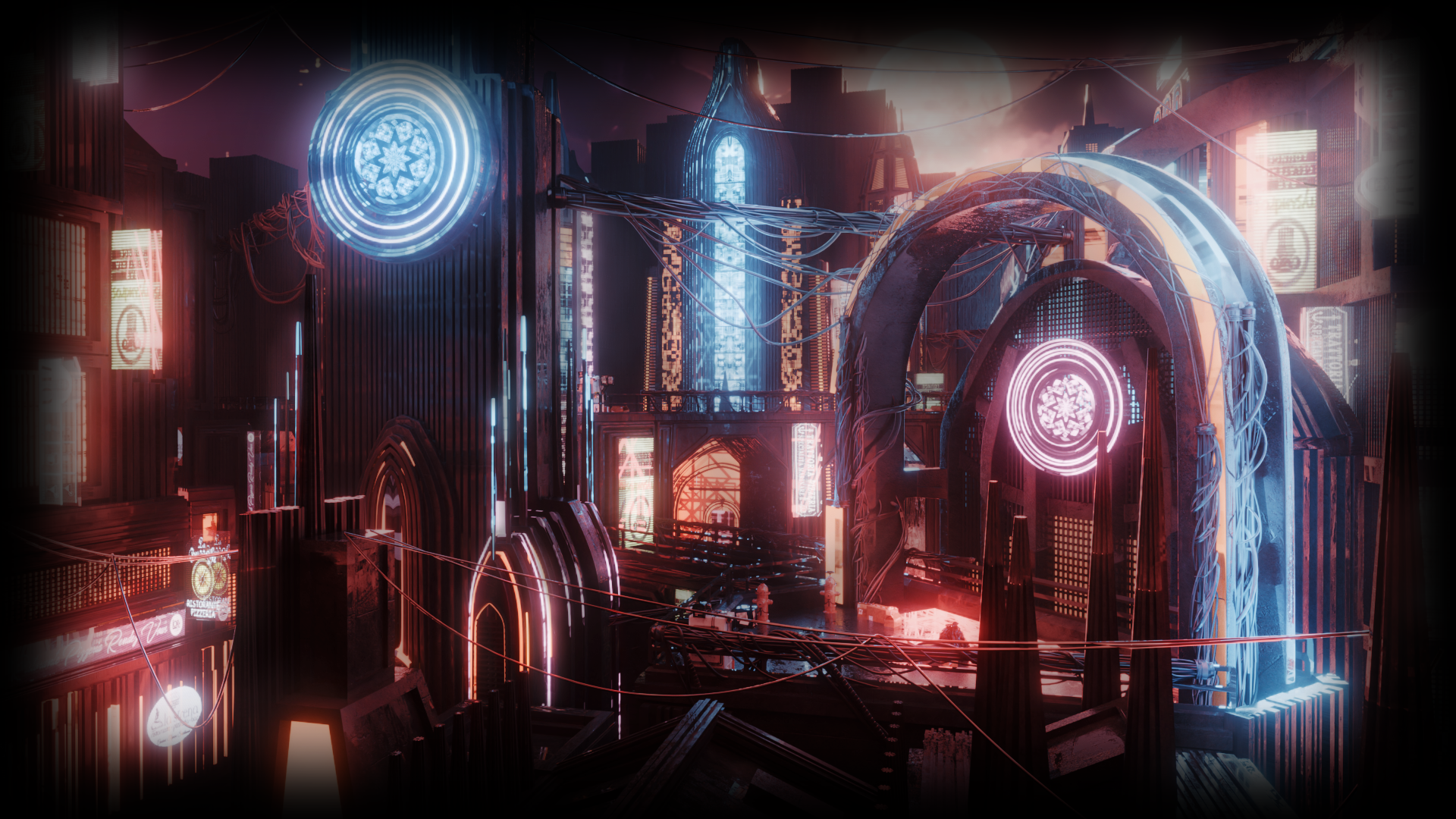
At the same time, Sicilian billboard references and traditional Sicilian patterns were incorporated as visual assets to retain a sense of local authenticity within the speculative setting.

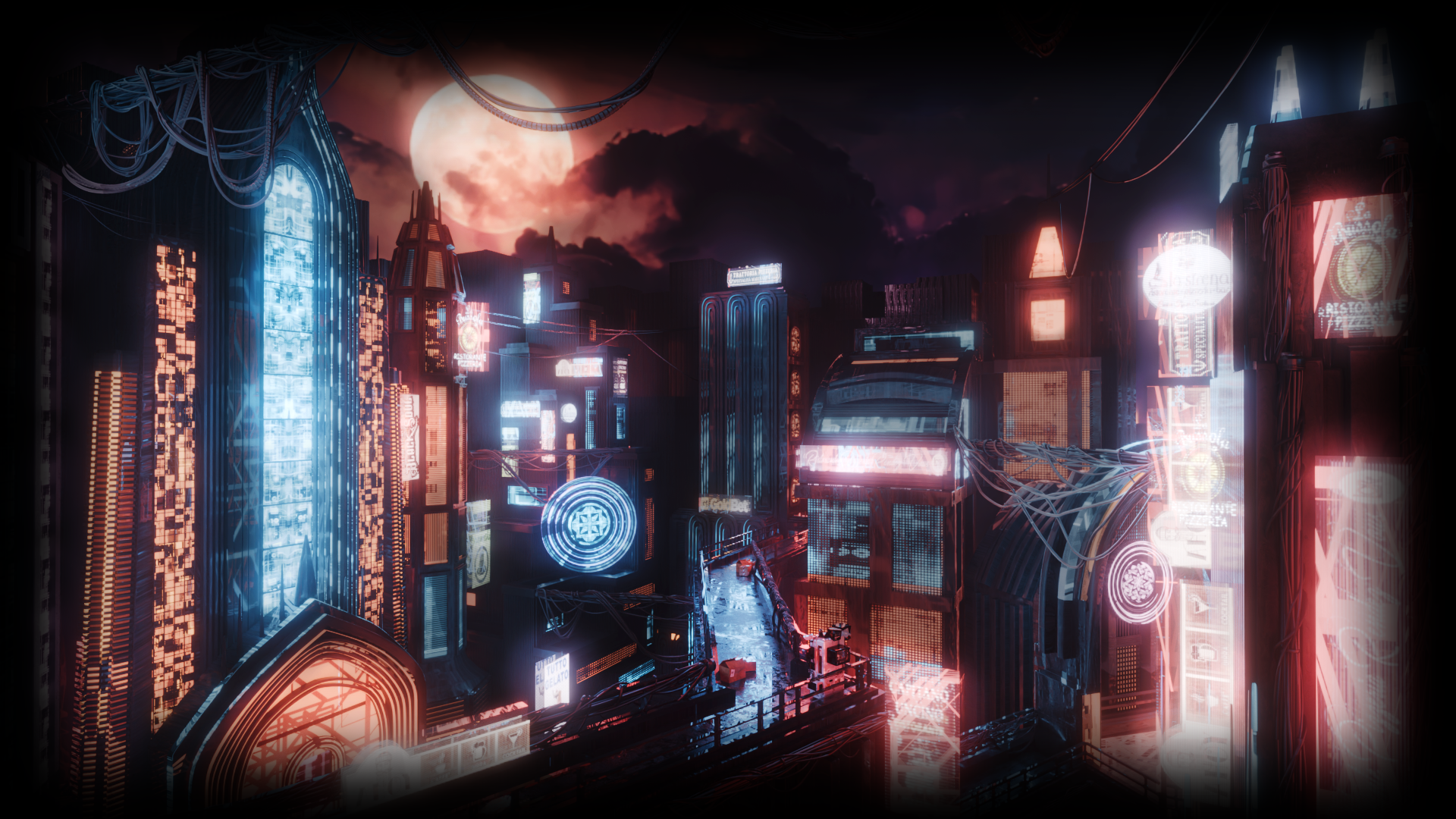
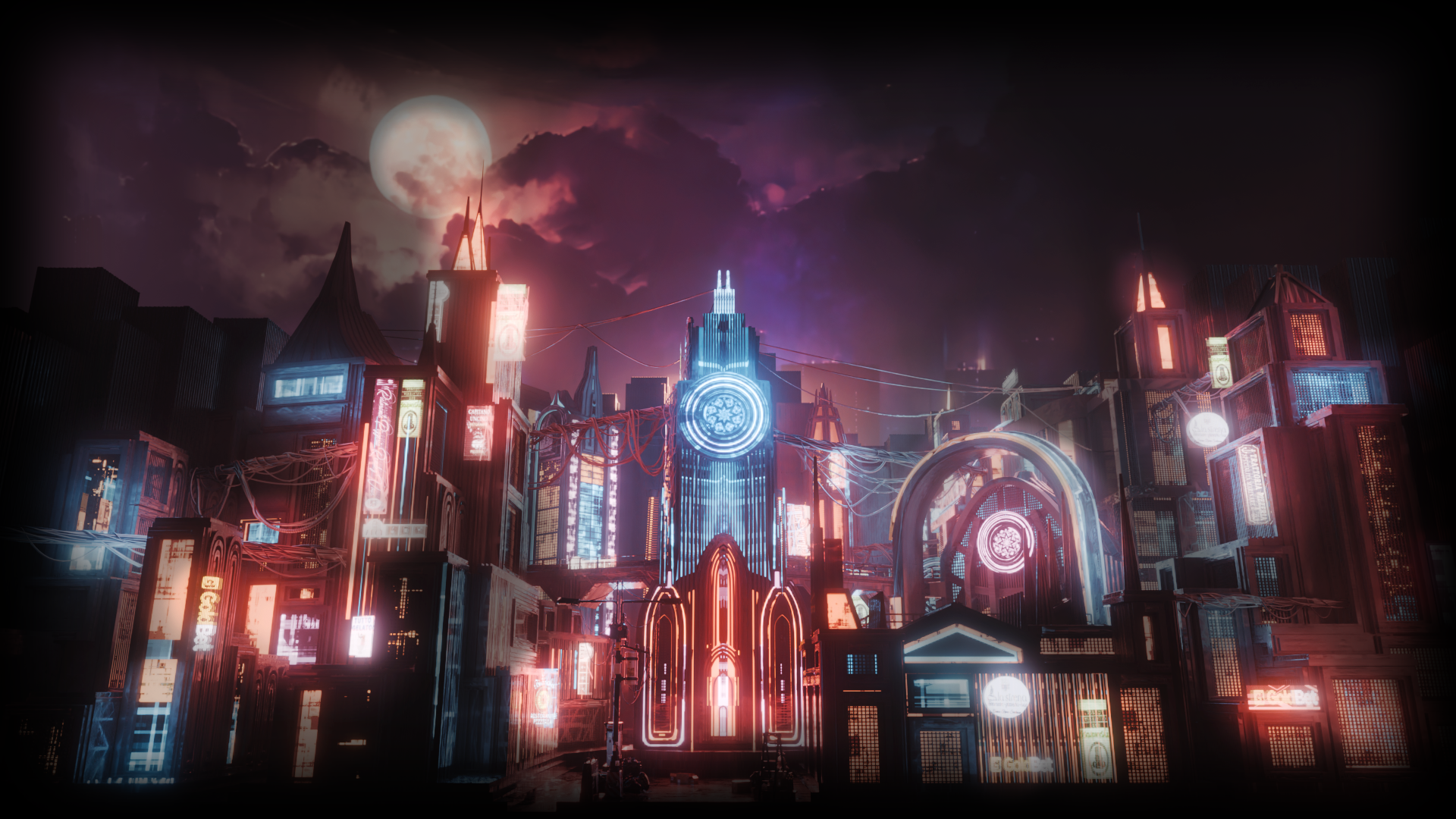
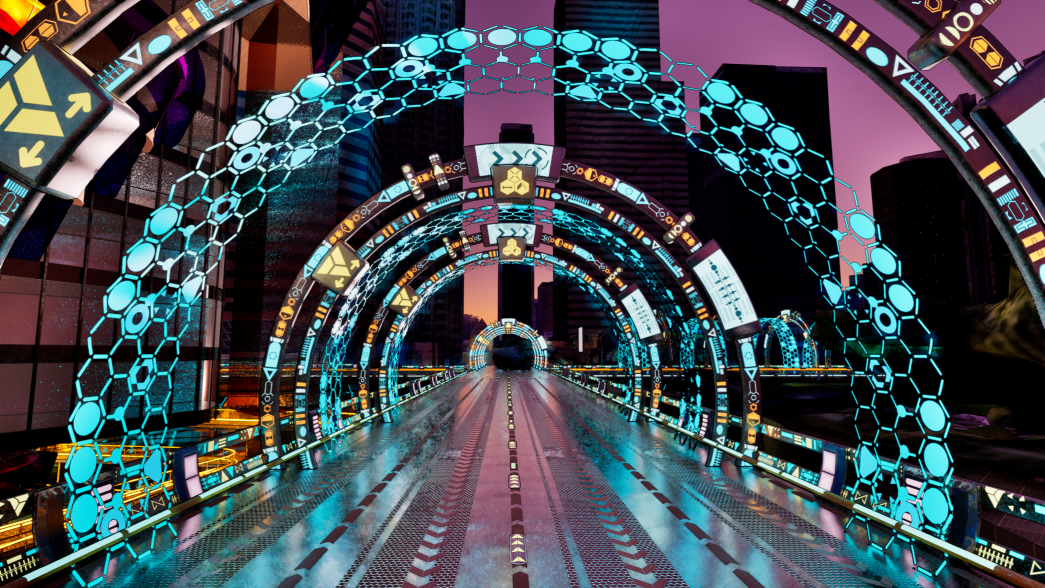
This project begins with research into Syracuse’s historical maps and Arab-Norman-Byzantine architecture. The intersection of three bridges becomes the main urban motif, while Asian-inspired billboards, Sicilian references, and traditional patterns create a cyberpunk dystopian future rooted in local history.

Project image Project image Project image
Project image

Architectural language has always moved across borders, absorbing influences, materials, and ideas from different cultures and periods. The value of Tancredi was not only in its story, but in the opportunity to study and reinterpret the spatial and architectural identity behind it. Through design, I used architecture as a way to connect histories, traditions, and new technologies, treating culture not as something closed, but as something that can be translated and reimagined.

This project reinterprets Tancredi through architecture as a language that moves across cultures and histories. By connecting tradition, spatial identity, and new technologies, the design treats culture as something open—able to be translated, transformed, and reimagined.

THE HYDROS DISTRICT

  • 2024 AUTUMN
  • UNREAL
  • RHINO

The project is titled “The Hydros District” The site is at 333 South Grand Avenue, Los Angeles, California, at the top of Bunker Hill. The Wells Fargo Towers currently sit at the site and are being demolished to make way for two new towers. The new project, which will replace the Wells Fargo Towers, comprises two towers, a stepped plinth, and an open space that opens up four stories below ground level. Both towers boast an innovative rainwater collection system, strategically storing water at various levels as gray water in toilets, indoor gardens, and vegetation at the ground level. This forward-thinking approach conserves water and minimizes energy consumption, as the water is stored in certain stories to eliminate the need for excessive vertical pumping. The water is then filtered and stored for usage, with any excess water being directed to the bottom of the buildings and stored in reservoir tanks for future use. The concept is to harness as much water as possible during rainy seasons, ensuring a sustainable water supply. BIPV panels adorn the top areas of both towers, with the energy they harvest aiding in vertical water pumping when necessary. The water collection system rests on the outside of the building¡¯s facade. A glass facade in a slanted design collects rain water and allows gravity to direct it to internal pipes for storage.

The Hydros District reimagines the former Wells Fargo Towers site at Bunker Hill as two new towers with a stepped plinth and sunken open space. The project centers on rainwater collection, storing and filtering water throughout the towers for reuse in toilets, gardens, and landscape. BIPV panels support the system by generating energy for water pumping, combining sustainability, efficiency, and architectural innovation

Project image Project image Project image Project image Project image Project image

FLORA D'COMMUNITY CENTER

  • 2024 AUTUMN
  • C4D
  • RHINO
Project image

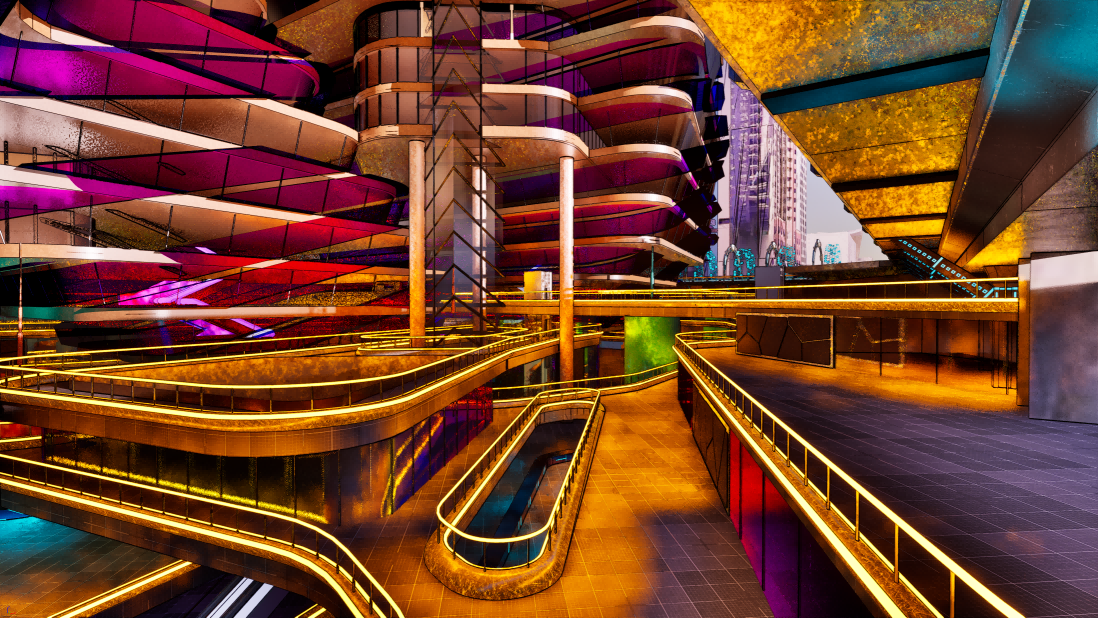
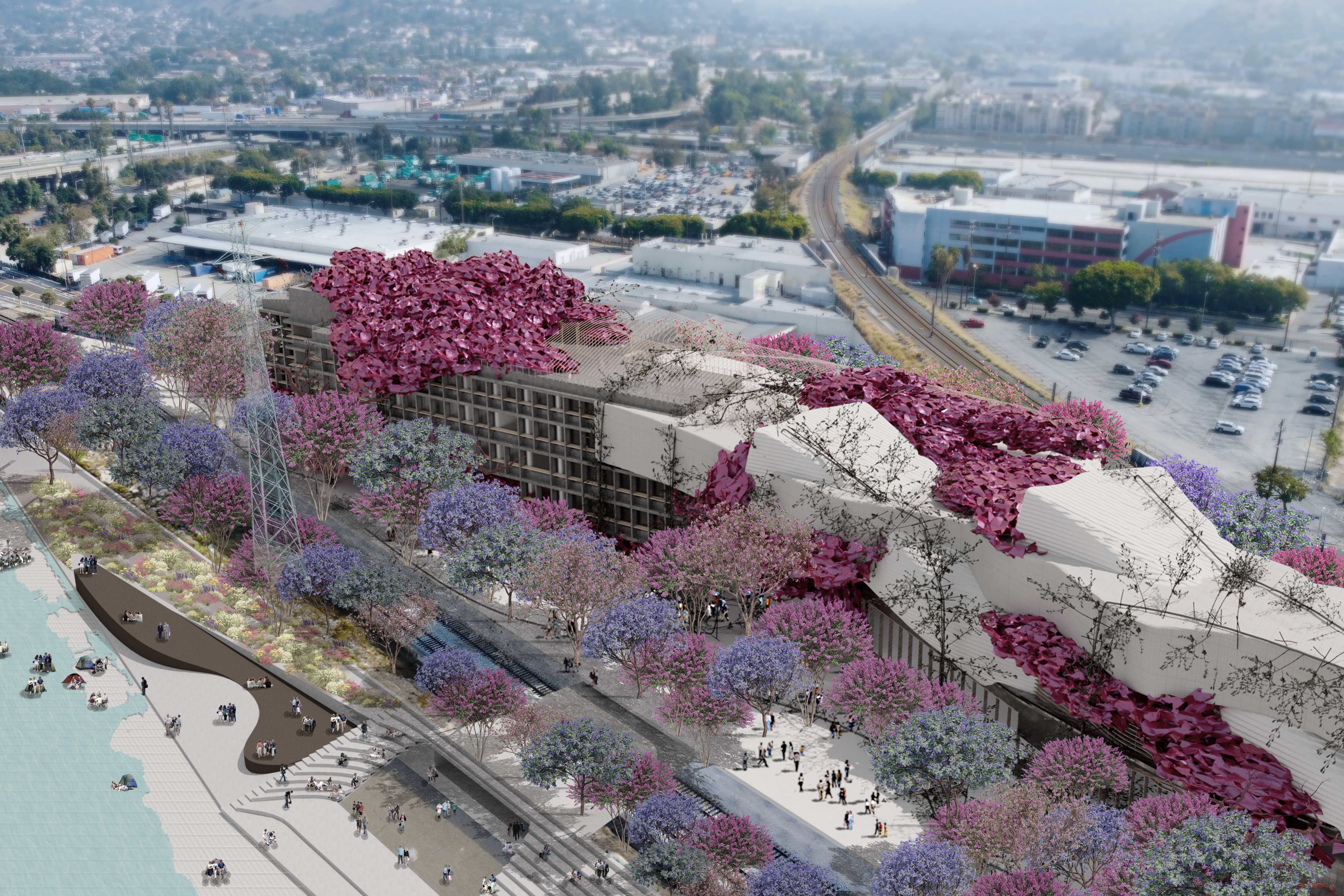
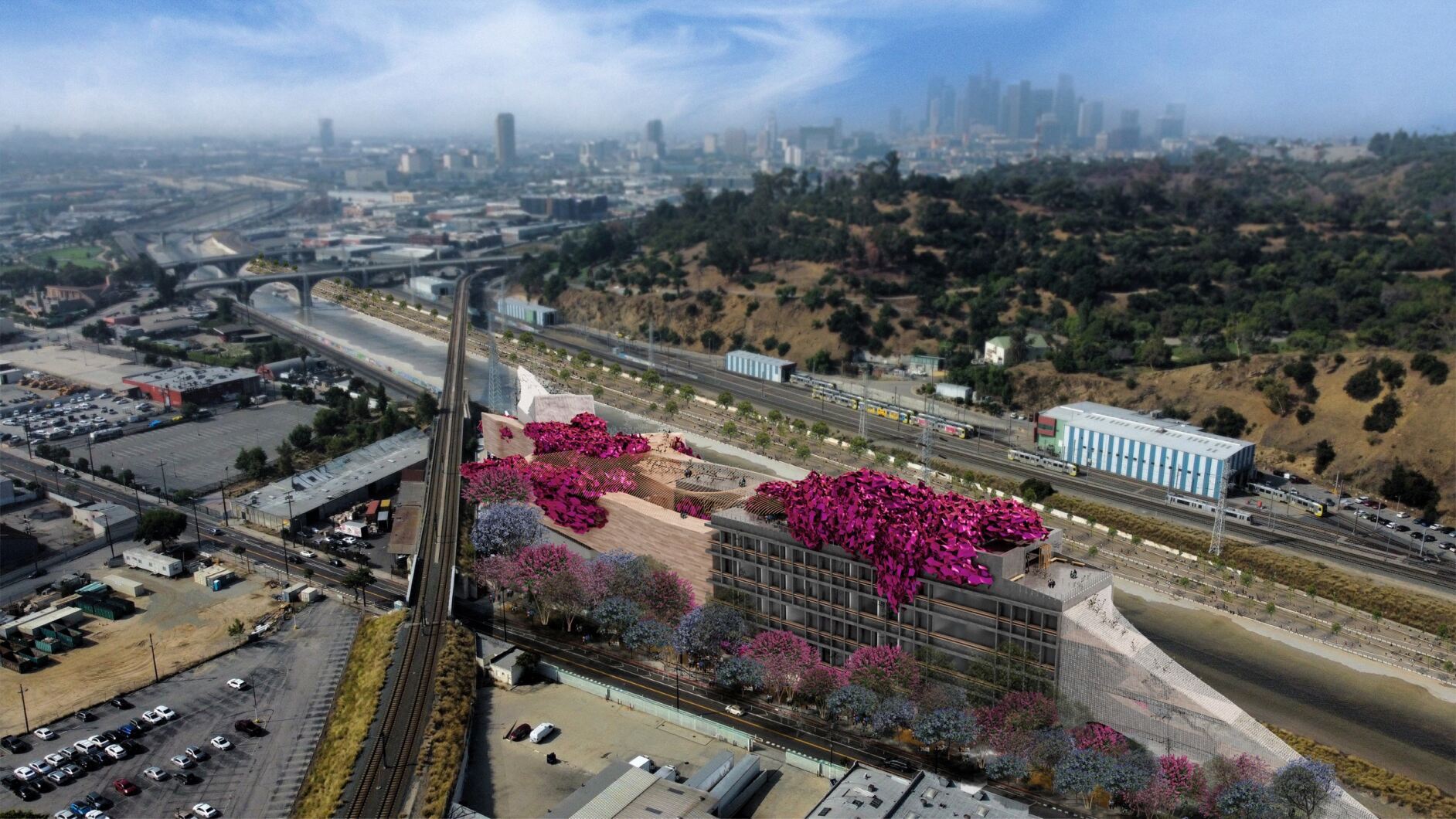
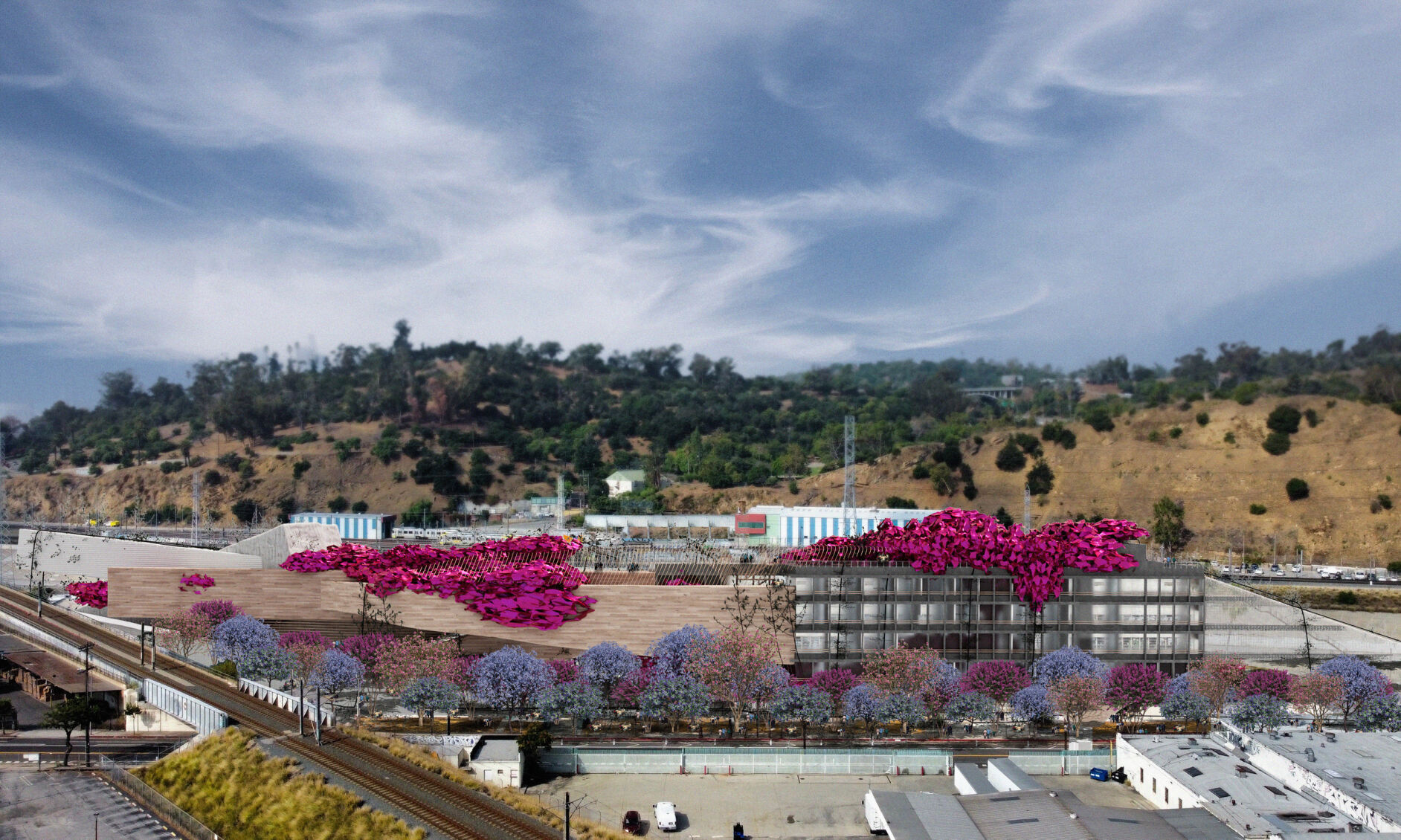
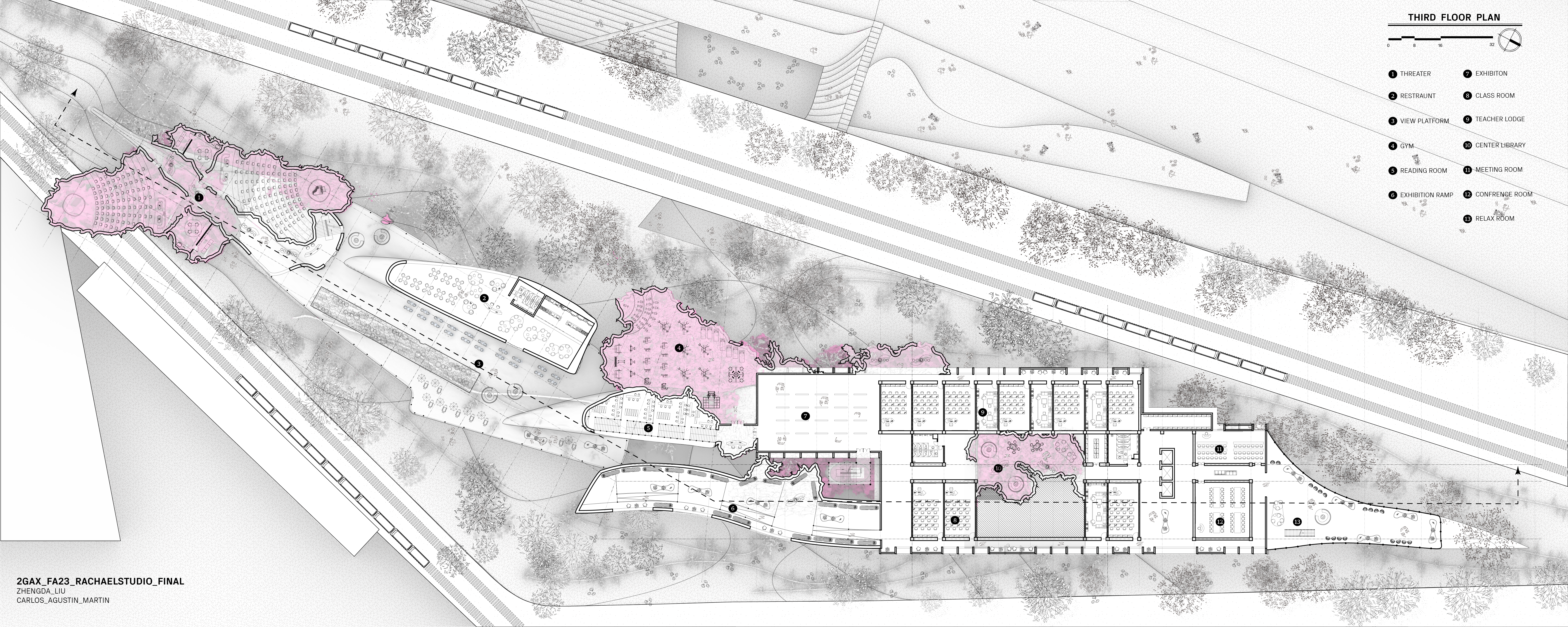
The defining feature of our design is the interplay between low-resolution and high-resolution gestures and experiences. This is expressed by allowing both natural systems and the communities of Lincoln Heights to gradually overtake and reclaim the project scope. The project aims to revitalize the existing site and its surrounding neighborhood through the introduction of a new Homeboy Industries location and a stronger relationship to the LA River along the western edge of the site. We believe the proposal provides sufficient space for Homeboy Industries’ operations while also creating additional opportunities that benefit the larger community. In this way, the project is intended not only to improve the site aesthetically, but also to integrate with the existing neighborhood and become an active, vibrant part of it. Textures and colors were carefully selected based on the site’s existing material palette and the flowers that continue to grow there, helping to create an inviting and harmonious atmosphere.

This project explores the contrast between low-resolution and high-resolution spatial experiences. By introducing a new Homeboy Industries location and reconnecting the site to the LA River, the design allows nature and the Lincoln Heights community to gradually reclaim the site. Existing textures, colors, and flowers inform the project’s material palette, creating a more active, welcoming, and integrated neighborhood space.

Project image Project image Project image Project image Project image Project image

The LA River runs along the western edge of the site, just beyond the railroad, and serves as a key formal reference for the project. The design draws from both the LA River Master Plan and the Chicago Riverwalk, using the river as a framework for public access and circulation. An elevated structure invites people to move through the site and reach the river’s opposite edge. The curved geometry of the project responds to the obtuse angles formed by these intersecting site conditions, blending private and public zones as well as interior and exterior spaces. The overall massing follows the site’s edge conditions, particularly where the eastern boundary bends to accommodate the railroad line.

The LA River shapes the project’s form and circulation. Inspired by the LA River Master Plan and the Chicago Riverwalk, the design creates elevated paths that guide people through the site and toward the river. Its curved geometry responds to the railroad and site edges, blending public and private spaces.